Our work
Food waste and the climate
Food sent to landfill fed nobody and warmed the planet.
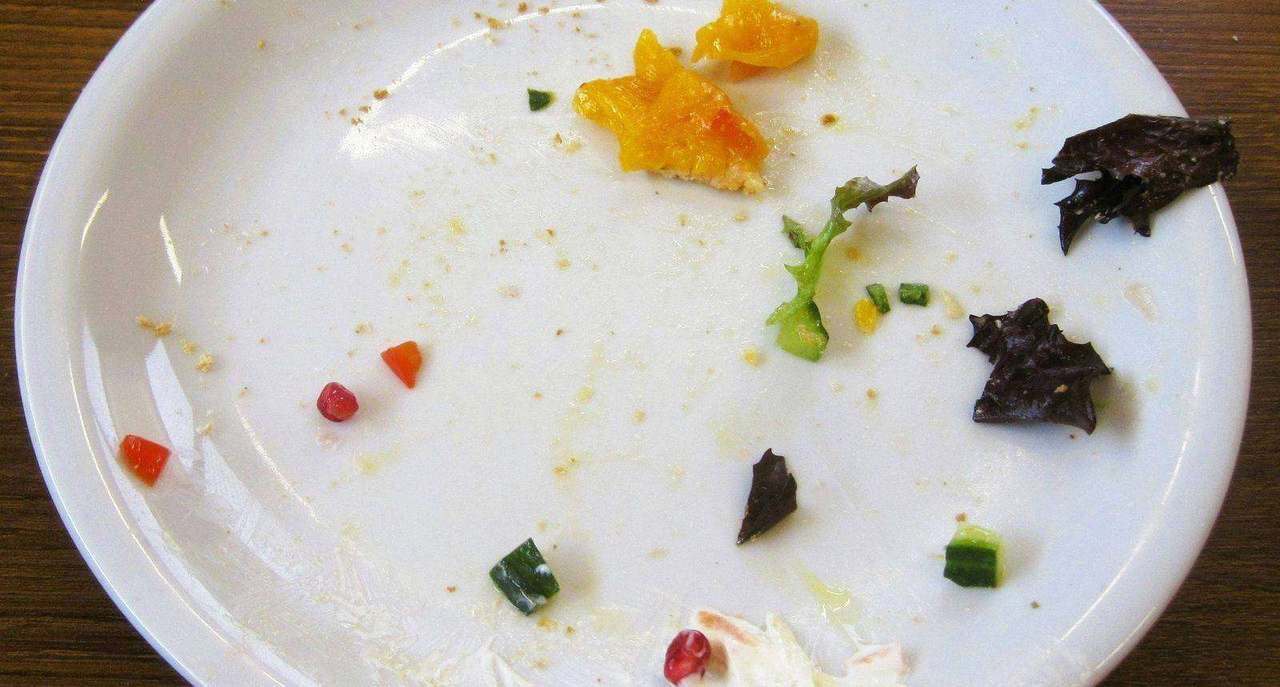
Food waste is a climate problem as well as a hunger problem. The UN Environment Programme reports that food loss and waste is a significant source of global greenhouse gas emissions.
That finding is from the UN Environment Programme’s Food Waste Index Report 2024. In Canada the mechanism is landfill. Organic matter buried without oxygen produces methane, and the Government of Canada identifies landfills as a large source of the country’s methane emissions.
The Government of Ontario reports that the province’s waste sector is a significant source of greenhouse gases, and the Association of Municipalities of Ontario reports that organic waste makes up a large share of what goes into an Ontario household’s garbage.
Landfill is the worst ending.
Our work
Every yes a farm hands to a food bank can keep produce out of a landfill. The work section sets out how that is organized, chapter by chapter.
See our work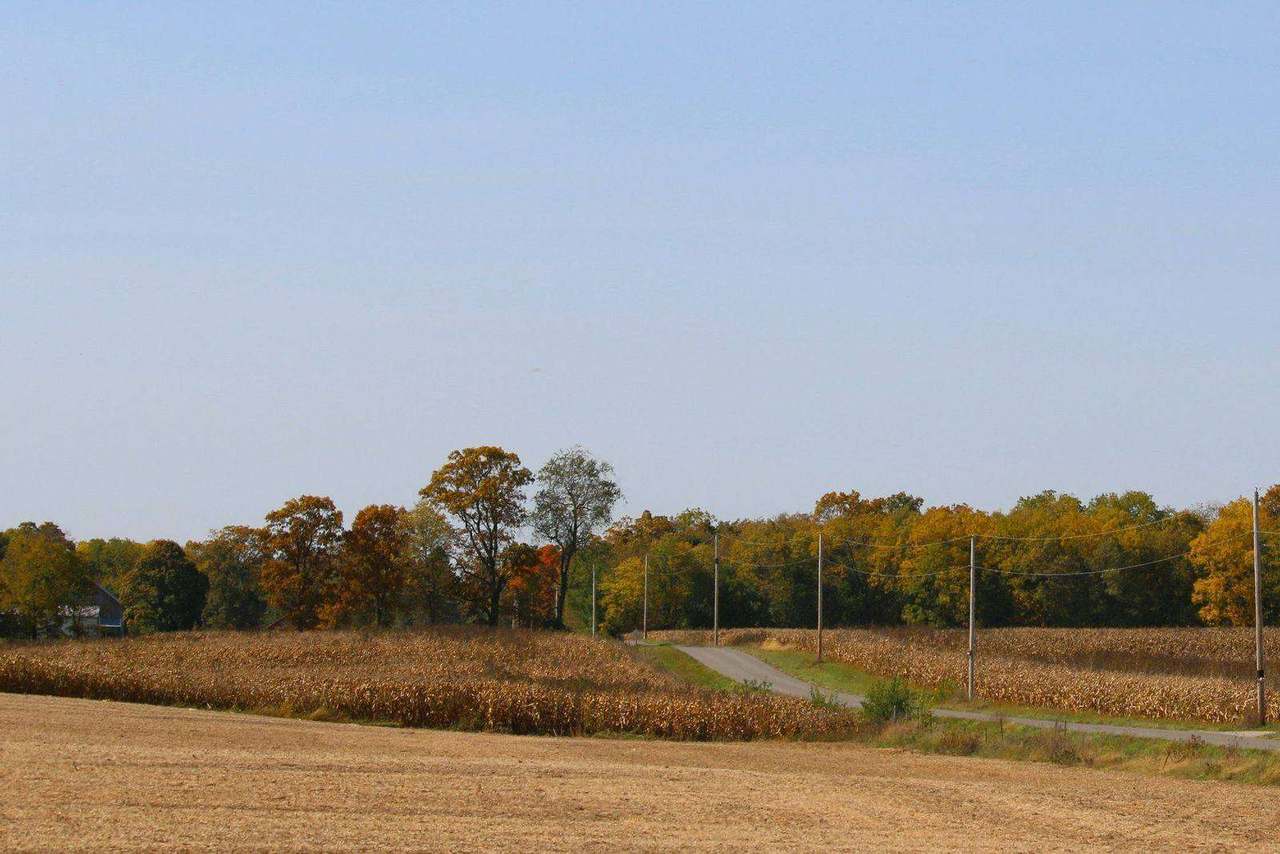
What we do
Ask, introduce, record. Our work sits under UN Sustainable Development Goal 12.3 on halving food waste and cutting losses along supply chains, and Goal 13 on climate at the same time.
Read what we do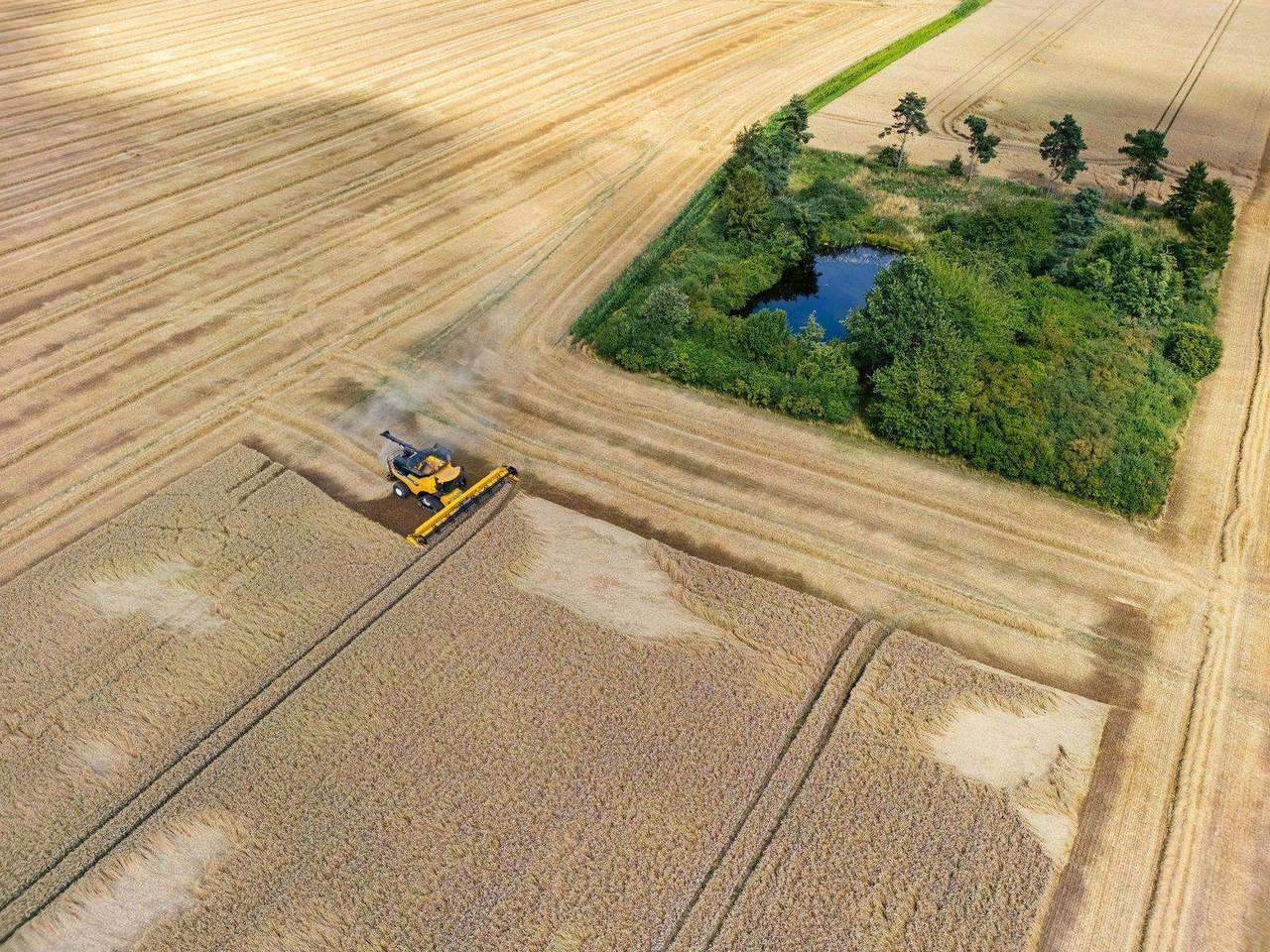
Surplus produce
An estimated 13% of the fruits and vegetables grown in Canada go unharvested or are discarded after harvest, according to Environment and Climate Change Canada. That is where the emissions start.
About surplus produce