The Neighbour’s Table
Our standards
What we hold ourselves to, and what every member undertakes.
The Neighbour’s Table holds one standard for every chapter. These rules govern how we operate, how members behave, and what each chapter owes the people it works with.
We are a student-run nonprofit, and every chapter runs on the same rules. Each chapter is a club of its own school, with the principal’s written approval and a Teacher Advisor copied on every outside message. Roles are named and held by a specific person. Work is recorded as it happens, so a contact made in September can still be checked in March. HQ assigns each chapter its area, and every yes goes to an organization that collects with its own vehicle.
We describe the organization accurately. Claims about what a chapter has done are stated only where the record supports them, and every statistic on this website carries the name of the source it came from.
The record is the standard.
Every student who joins a chapter takes a named role and accepts what comes with it. The undertakings below are the same at every school.
Members attend the weekly working session and do the work their role carries. A List Builder keeps the farm list for the chapter’s assigned area accurate. Pairs draft each email from the template, and the Outreach Editor reads every one before it is sent. A Follow-up Clerk sends the single follow-up on day 14 and closes the record. A Records and Hours Clerk logs each contact and each outcome, keeps the attendance and hours log, and enforces the never-collect rule. The Chapter Lead and Deputy Lead are answerable for the chapter as a whole.
Members speak for the organization only when their role calls for it, treat everything a farm tells them as that farm’s business, and raise anything they are unsure about with their Chapter Lead and Teacher Advisor before acting on it.
A role is a commitment.
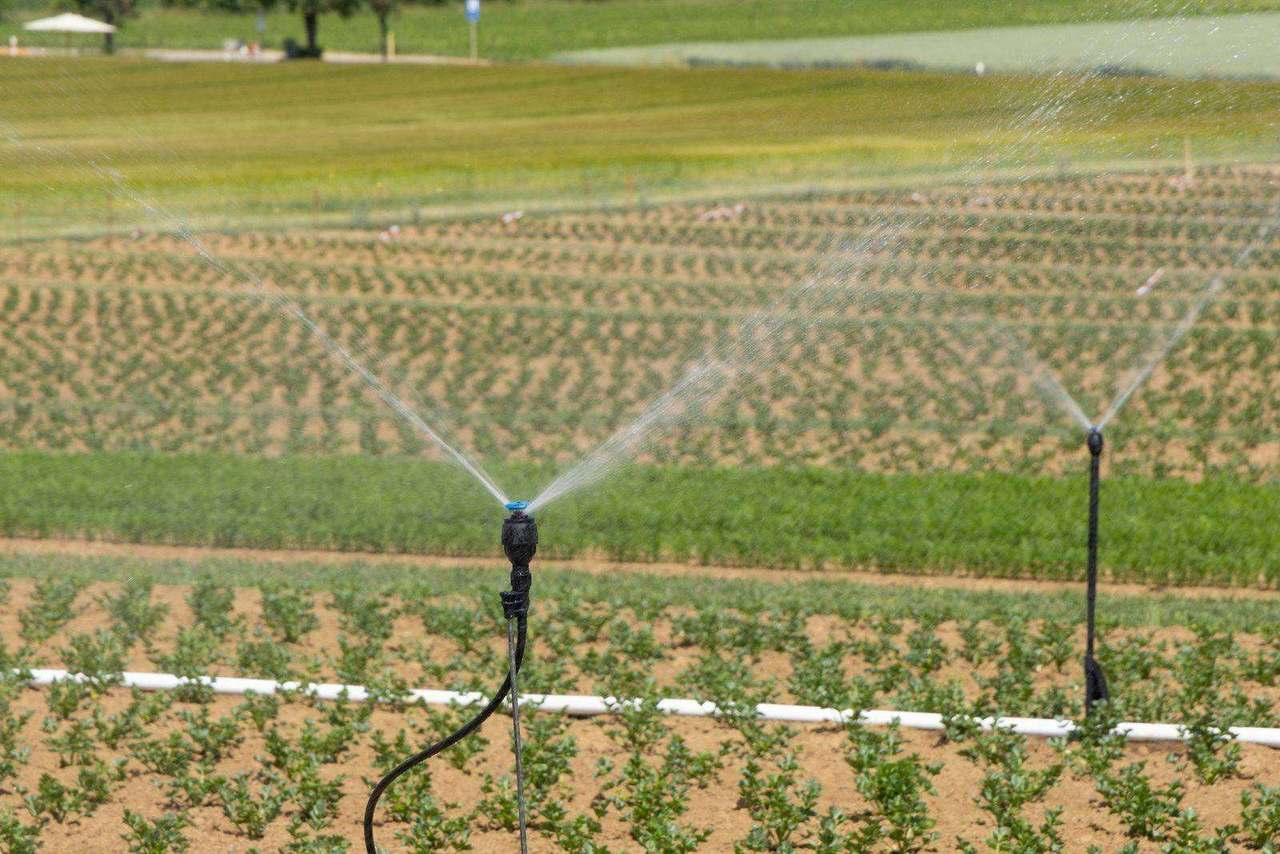
Every farm we write to is treated the way any professional contact should be. Growers are busy people and we write like it.
We write to a farm once, in plain language, with one question: “Do you have surplus or grade-out produce this season that you cannot sell?” If there is no reply, we send one follow-up about two weeks later, then stop. We say who we are and which school chapter is writing. We take a no as an answer and we record it. A farm that replies STOP is added to the shared do-not-contact list that day and never hears from any chapter again, and we never describe a farm’s produce as waste: it is food that was grown well and found no buyer.
What a farm tells us about its buyers, its volumes or its season stays with the chapter that asked. Farms are named in our own records so that the work can be checked, and nowhere else.
A no is an answer.
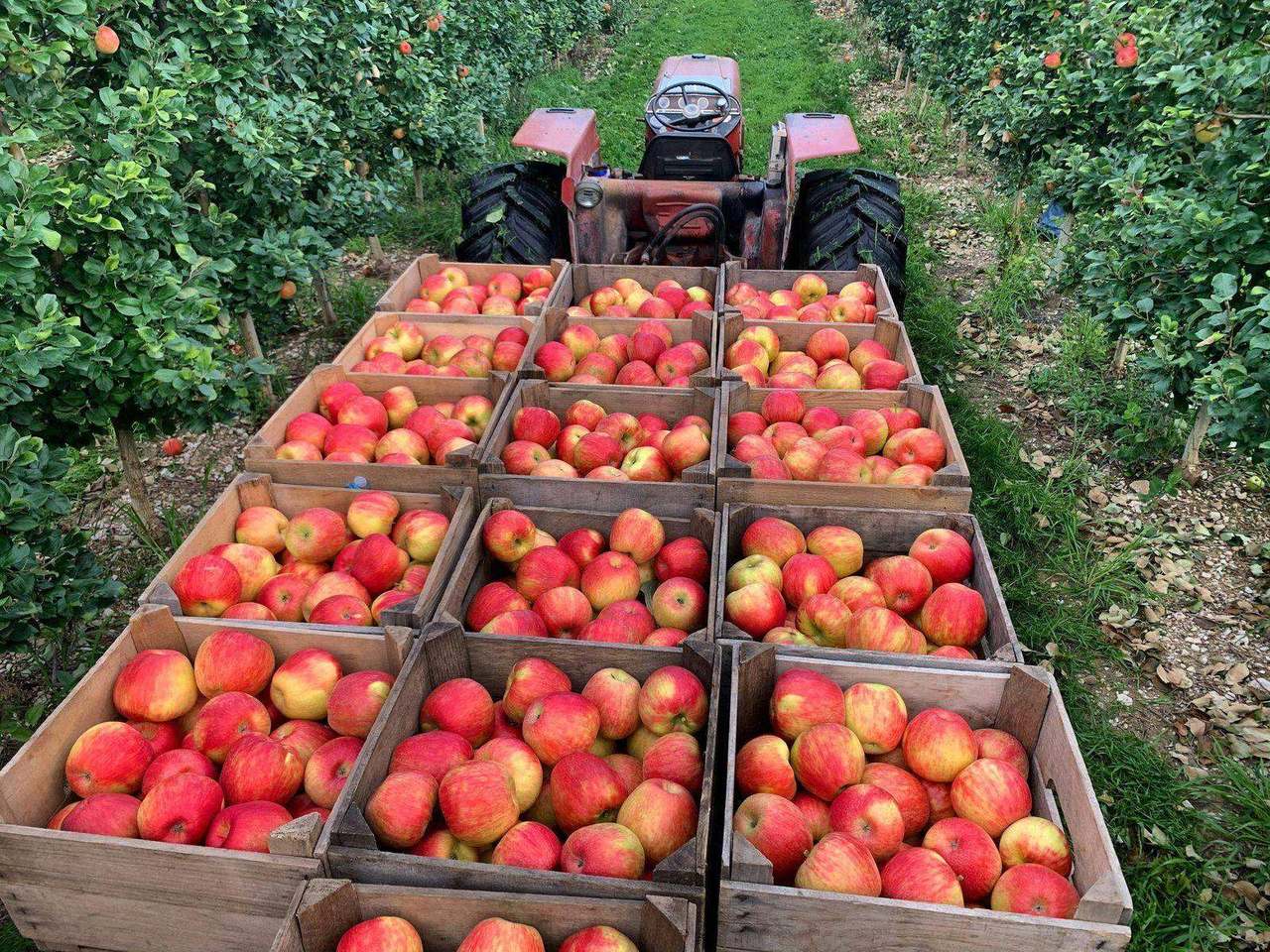
Every yes goes to a food bank or food rescue organization that collects it with its own vehicle. The default is Second Harvest’s From the Farm program, and a local food bank is named to a farm only after it confirms in writing what it can collect. The people at the end of this are the point of it.
Students never handle food, so a chapter never sends any. We ask a receiving organization in writing what it can collect and from where, and we work to that answer rather than our own convenience. We never contact, describe or photograph people who use food banks, and nobody who receives food is named on this website.
Food insecurity in this country is a structural problem, not a personal failing. 24.0% of people in Canada lived in a food-insecure household in 2025, about 9.8 million people, according to PROOF at the University of Toronto. We write about them accordingly.
The receiver decides what it can take.
Anyone can raise a concern about the conduct of this organization or of any member of it. Write to andrew.sun.adair@gmail.com and it reaches HQ.
Say what happened, where, and when, and give us a way to reply. A concern about a member goes to that chapter’s Teacher Advisor. A concern about a chapter or about HQ goes to the Director of Chapters at andrew.sun.adair@gmail.com. We acknowledge every message within five working days and tell you what we intend to do about it.
A farm, a school or a receiving organization that wants something corrected on this website should write to the same address. We correct errors quickly and we say what changed. These standards are reviewed by HQ each year.
Raise it. We answer.
Our conduct
One standard applies to every chapter. Named roles, a written record of every farm contact and every outcome, and an organization that describes itself accurately. The home page sets out what we do.
Our work
A concern
If something about our conduct or this website needs correcting, tell us. Write to andrew.sun.adair@gmail.com with what happened and how to reach you, and you will have an acknowledgement within five working days.
Contact us
Everyone is welcome
These standards exist because the work is real: farms asked one question, and every yes handed to a food bank that collects. Students, growers and schools are what the work needs, and every one of them is welcome.
Support the work