Our work
Inside a chapter
Forty-five minutes, once a week at lunch, in a room at a school. This is what happens in them, minute by minute.
The setup
0 to 5. The Chapter Lead opens the session, starts the timer and puts the week’s count on the board.
Life in a chapterThe list
5 to 8. The List Builder reads out how the farm list is split, and each pair takes a named slice with no overlap.
The farm listThe template
8 to 12. The Outreach Editor reads out the template. The subject line is always “A question about surplus produce this season”. The email asks one question: “Do you have surplus or grade-out produce this season that you cannot sell?” The signature carries the sender’s first name and last initial, the chapter, the school’s street address and the school email account. The last line is the STOP line: “If you would rather not hear from us again, reply with the word STOP and we will not contact you again.” Nothing else goes in.
Talking to growersThe twenty minutes
12 to 32. Pairs draft each email from the template, one student drafting and one checking, swapping every few farms. Calls to published farm business lines happen here, made from the room by students who want to make them, with another member present. Nobody works alone. The room should be noisy.
A full weekThe check
32 to 38. The Outreach Editor reads every email before it is sent. Every one. Then it goes, in the session, from the school email account with the Teacher Advisor copied, never from home.
Our standardsThe close
38 to 43. Everyone records their own outcomes now, not later, and the Records and Hours Clerk checks the farm record. 43 to 45. The Chapter Lead reads the count out loud, names anyone who got a reply, and ends on time.
Where it goesWhy the session is the unit
A chapter is a school club that meets at the same time every week, not when people are free. Each session has a count, a record and a close, and it runs whether four people turn up or twelve.
The reason is the farms. Building the farm list for an assigned area is slow, repetitive work, and the replies come back on the grower's schedule rather than the student's. A list that is touched once a month goes cold. A list that is touched every week stays warm.
So the session is fixed and everything else flexes. Members come and go across a school year, and the work survives, because what a chapter runs on is the record rather than any one person's memory. Every farm contacted and every outcome is recorded inside the session, not afterwards.
One question, one follow-up, then stop.
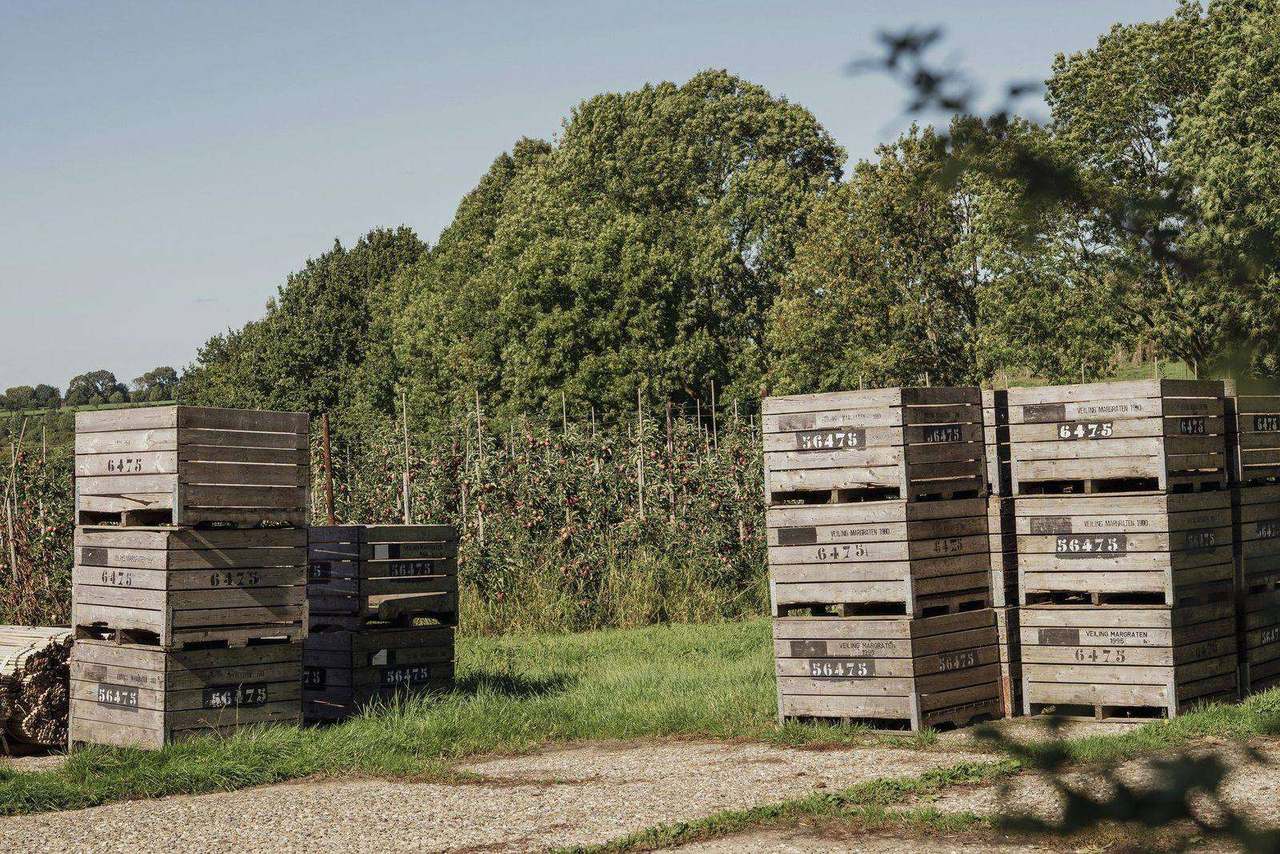
When a farm says yes, the chapter gives it the published contact of an organization that collects with its own vehicle, and the farm arranges the pickup directly. The point of doing this from a school, in forty-five minutes, is that it is repeatable: any chapter in any area can run the same session the same way.
The six roles
Chapter Lead, Deputy Lead, Outreach Editor, List Builder, Follow-up Clerk and Records and Hours Clerk. A new chapter starts with the first three. Each role has a job that starts and finishes inside the forty-five minutes.
Read the rolesStart one
If your school has no chapter, the session above is the thing you would be starting. It needs the principal’s written approval, a Teacher Advisor, a room at lunch and enough students to fill the first three roles.
Start a chapterPage sources: The Neighbour’s Table operating documents.