Goal 12
Responsible consumption
UN Sustainable Development Goal 12 commits the world to sustainable consumption and production. Target 12.3 is the line this organization exists to serve, and we serve both halves of it.

The target
Target 12.3 reads: By 2030, halve per capita global food waste at the retail and consumer levels and reduce food losses along production and supply chains, including post-harvest losses. That is the official wording, and the two halves of it are different commitments that the world has to meet together.
The two limbs
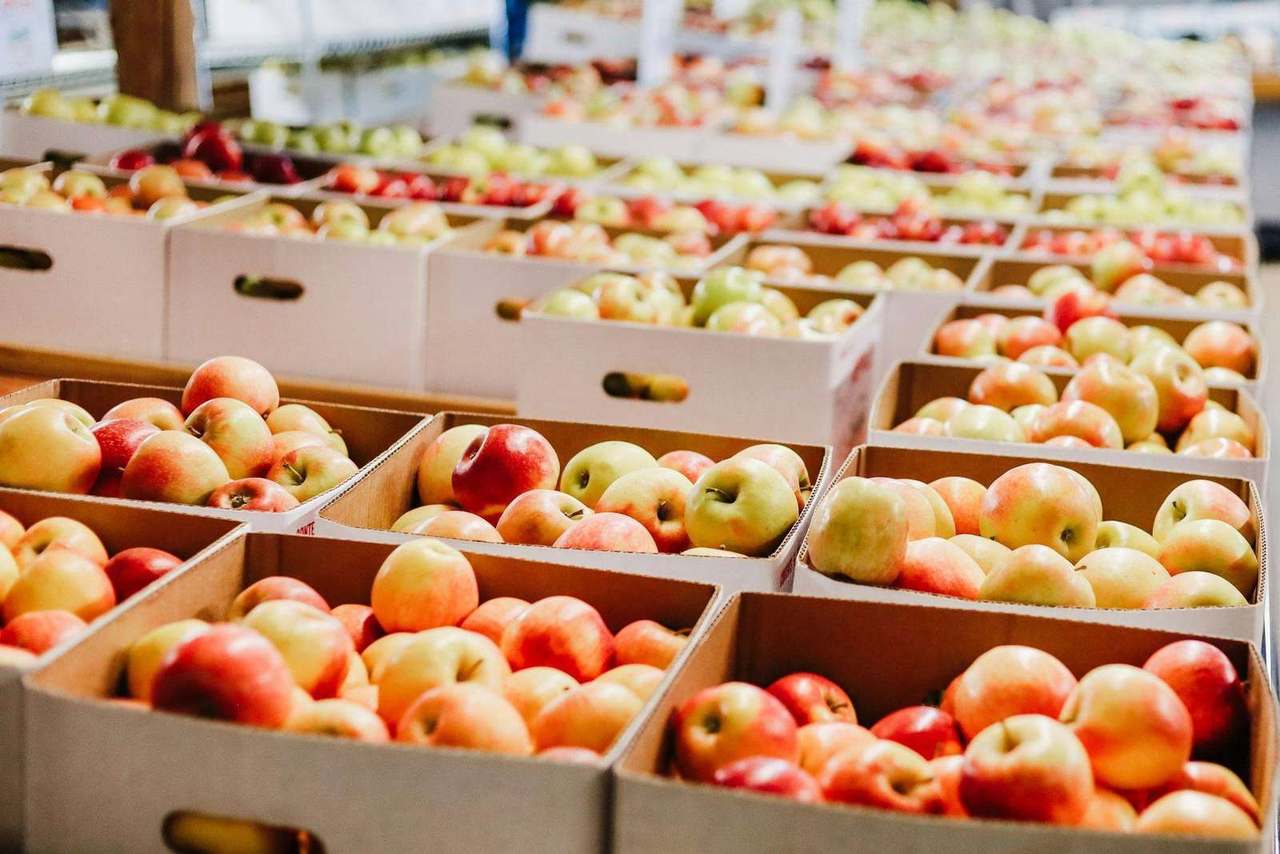
The first limb is waste at retail and consumer levels, food that reached a shop or a kitchen and was thrown out. The second is losses along production and supply chains, food lost before it ever got that far. We work on the second.
Halving food waste by 2030 is not a slogan. It is a measurable target with a baseline and a deadline, and every farm that hands its surplus to a food bank counts toward it.
Canada’s share
8.8 million tonnes of edible food is wasted in Canada every year. Second Harvest and Value Chain Management International, 2024.
That food was edible. It could have fed people, and it was thrown away instead.
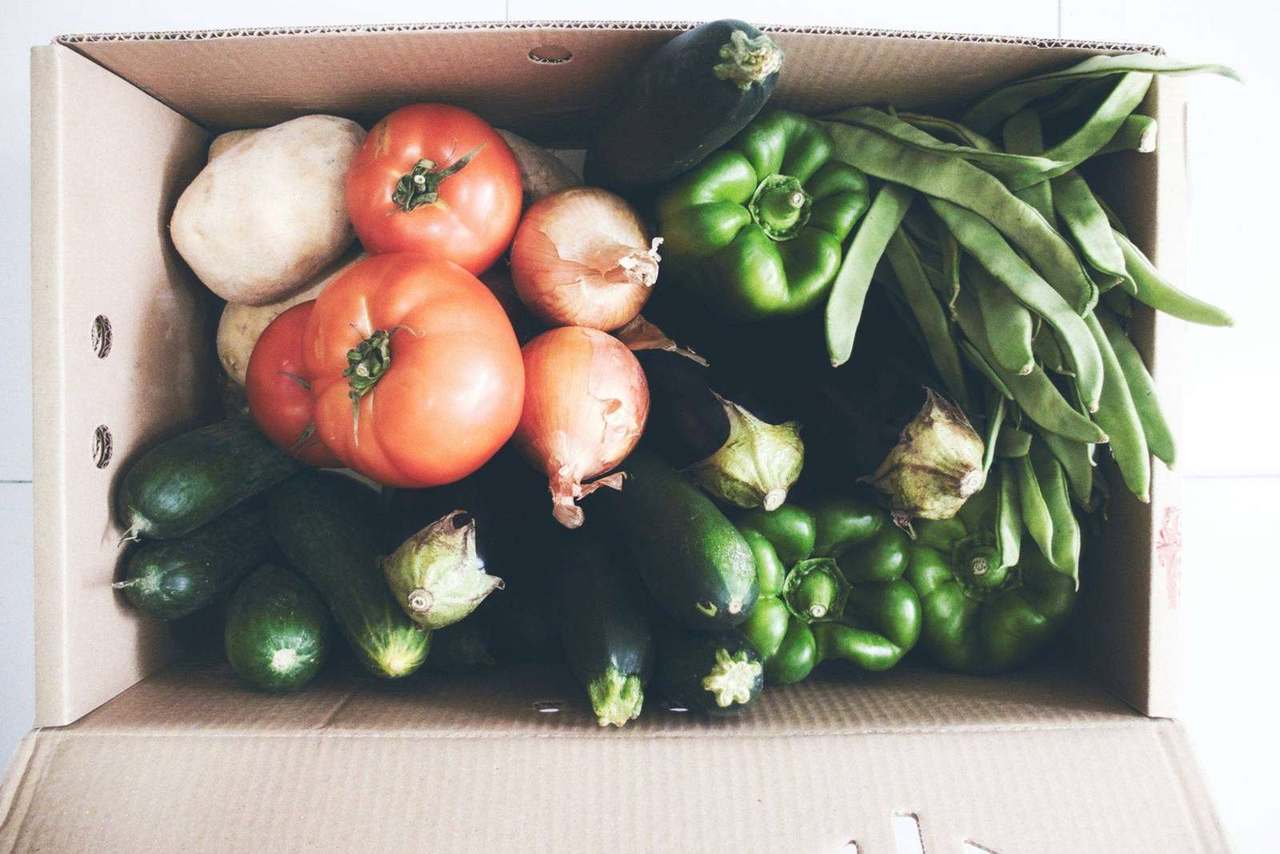
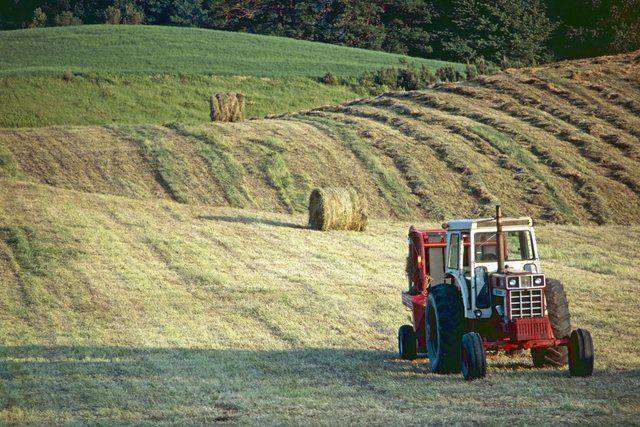
An estimated 13% of the fruits and vegetables grown in Canada go unharvested or are discarded after harvest, on figures from Environment and Climate Change Canada. That is loss along the production chain, which is exactly what the second limb of 12.3 is about.
Why it matters
Food that is grown and then thrown away carries every cost of growing it and delivers none of the benefit. The land, the water, the labour and the fuel are all spent. Target 12.3 exists because that is the cheapest waste in the food system to remove.
Goal 12 does not stand alone. Every yes a farm hands to a food bank serves Goal 2 on hunger at the same moment. 24.0% of people in Canada lived in a food-insecure household in 2025, about 9.8 million people (PROOF, University of Toronto, 2026). It serves Goal 13 on climate as well, because the UN Environment Programme’s Food Waste Index Report identifies food loss and waste as a significant source of global greenhouse gas emissions.
The Neighbour’s Table was built around 12.3. Every chapter works on the same target, and the deadline is the same everywhere: 2030. Target 12.3 is the target we serve. It has two limbs, halving waste at retail and consumer levels and reducing losses along production and supply chains, and the second limb is where surplus produce on Canadian farms sits. A chapter works on it once a week, at lunch.
The full text of Goal 12 and its targets is published by the United Nations, and the wording quoted here is theirs. Read it on the UN page for Goal 12.
Read target 12.3 in full, then join a chapter.
Our work sits directly under Target 12.3 of UN Sustainable Development Goal 12, which commits the world to halving food waste and reducing food losses along production and supply chains by 2030. Every yes a farm hands to a food bank serves Goal 2 on hunger and Goal 13 on climate at the same time, because food sent to landfill is food that fed nobody and warmed the planet on the way out. Canada is one of the largest food producers on earth, and the distance between the field and the table is the problem.
How we work
The sources

Goal 12 at the UN
Official text
What Goal 12 covers
Goal 12 runs to eleven targets covering natural resource use, chemical and waste management, corporate reporting, public procurement and education. Target 12.3 is the food waste target, and it is the one this organization was built to serve. The full text is published by the United Nations.
United Nations, sdgs.un.org

The Food Waste Index Report 2024
UN Environment Programme
2024
March
Published, freely available
UNEP report
Read it on unep.org
What the Food Waste Index measures
Household, food service and retail food waste worldwide, country by country. It is the measure the United Nations uses to track the first limb of 12.3.
UN Environment Programme
2024
March
Published, freely available
UNEP report
Read it on unep.org