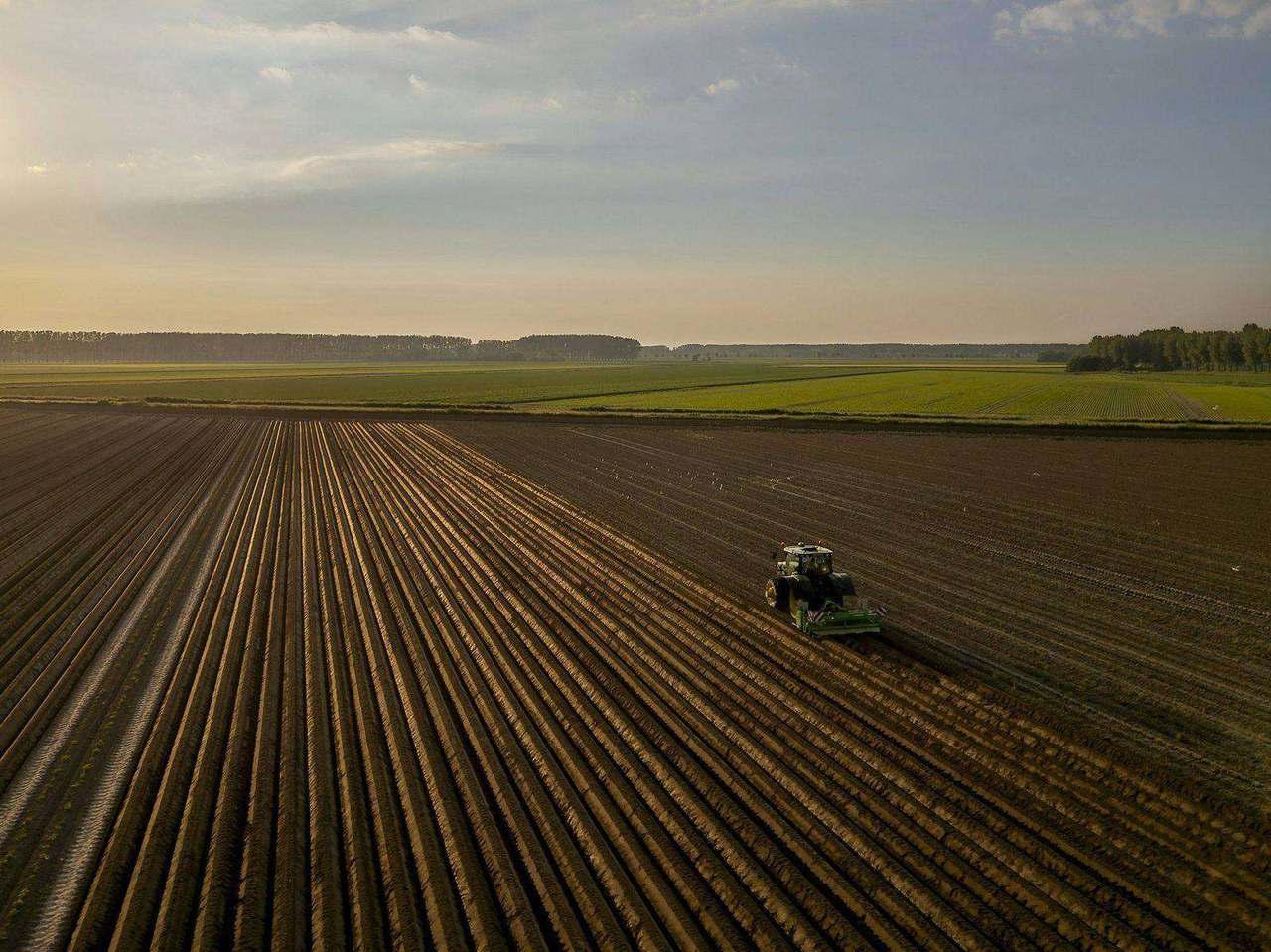
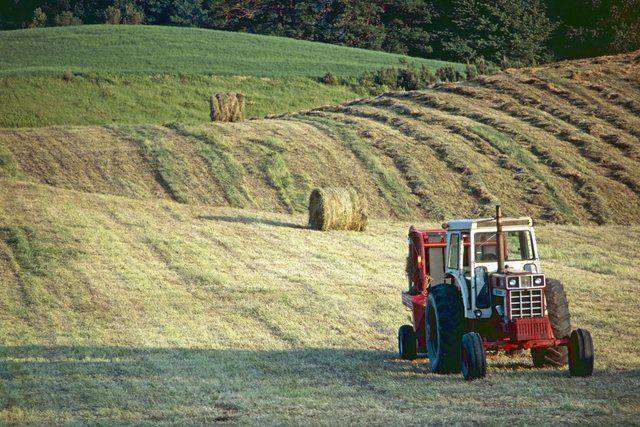
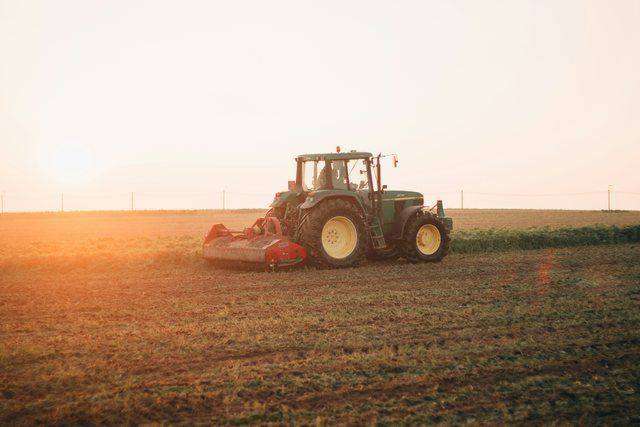
Resources
Working with us
Who we want to hear from, and how it works.
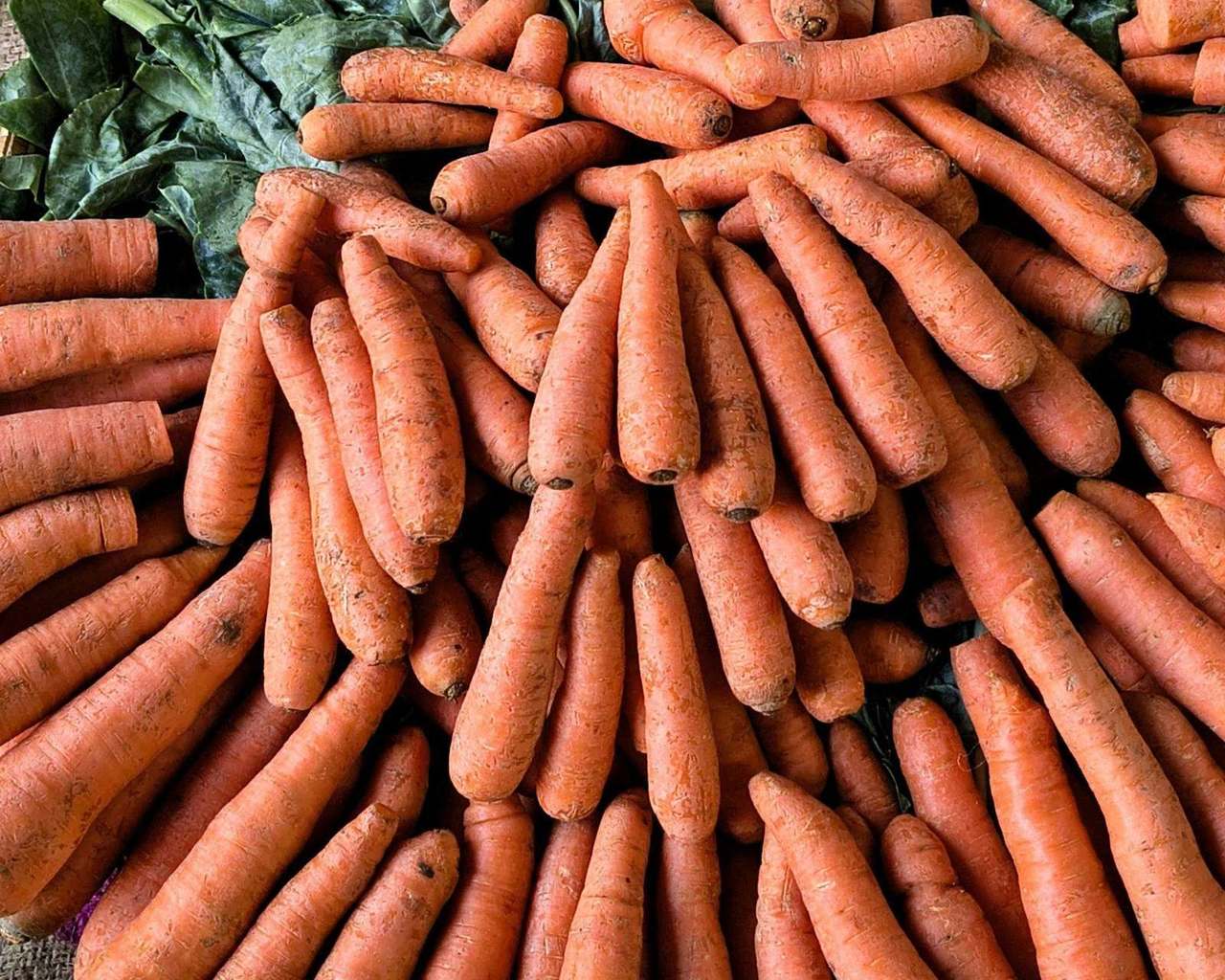
The Neighbour’s Table works with three kinds of people: farms with produce they cannot sell, students who want a chapter at their school, and organizations that feed their communities.
Working with us is deliberately simple. Schools apply with one form, the Chapter Application Form. A message to andrew.sun.adair@gmail.com reaches HQ. Farms get the contact of an organization that collects. Students and schools hear from HQ, always with the Teacher Advisor copied. Food banks and community food organizations hear from HQ about introductions in their area.
What we are after in every case is the same thing: edible produce that would otherwise be ploughed back into the field or sent to landfill, collected instead by a food bank that feeds people.
Start with a message.
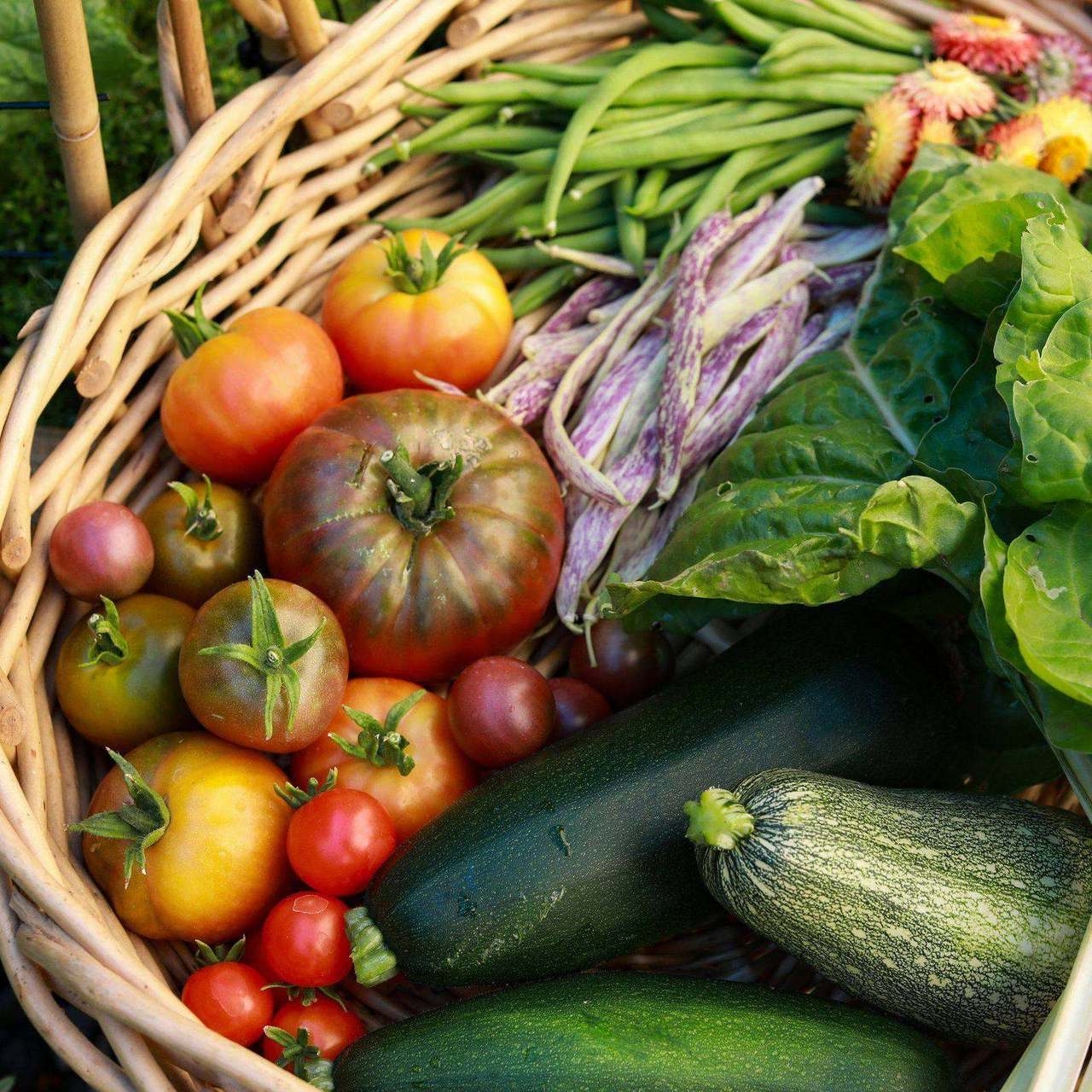
If you grow produce in Canada and some of it does not reach a buyer, we want to hear from you.
Tell us what you have, roughly how much, and when it would be ready. Grade-outs, overstocked lines and produce a buyer walked away from are all useful. A chapter will give you the published contact of an organization that collects, and you arrange the pickup with it directly. The default is Second Harvest’s From the Farm program, which publishes free farm pickup of surplus and grade-outs of any volume across Canada.
Canada has 189,874 farms, according to the Census of Agriculture 2021 from Statistics Canada. Any of them can have a season where something good comes in heavier than the market wanted.
Grown well. Sold nowhere.
Students who want to run a chapter at their school should write to us with a teacher copied. Schools weighing up whether to have one can write to us directly.
A chapter is a club of its own school, run by its students under a Teacher Advisor. It holds six named roles: Chapter Lead, Deputy Lead, Outreach Editor, List Builder, Follow-up Clerk and Records and Hours Clerk. It meets once a week at lunch through the school year. It builds and keeps the farm list for the area HQ assigns it, and it answers to HQ for the accuracy of that record.
Members are unpaid, and membership means a standing weekly session rather than a one-off shift. Starting a chapter takes the principal’s written approval, a Teacher Advisor, the Chapter Application Form and a signed Chapter Agreement.
Students run every chapter.
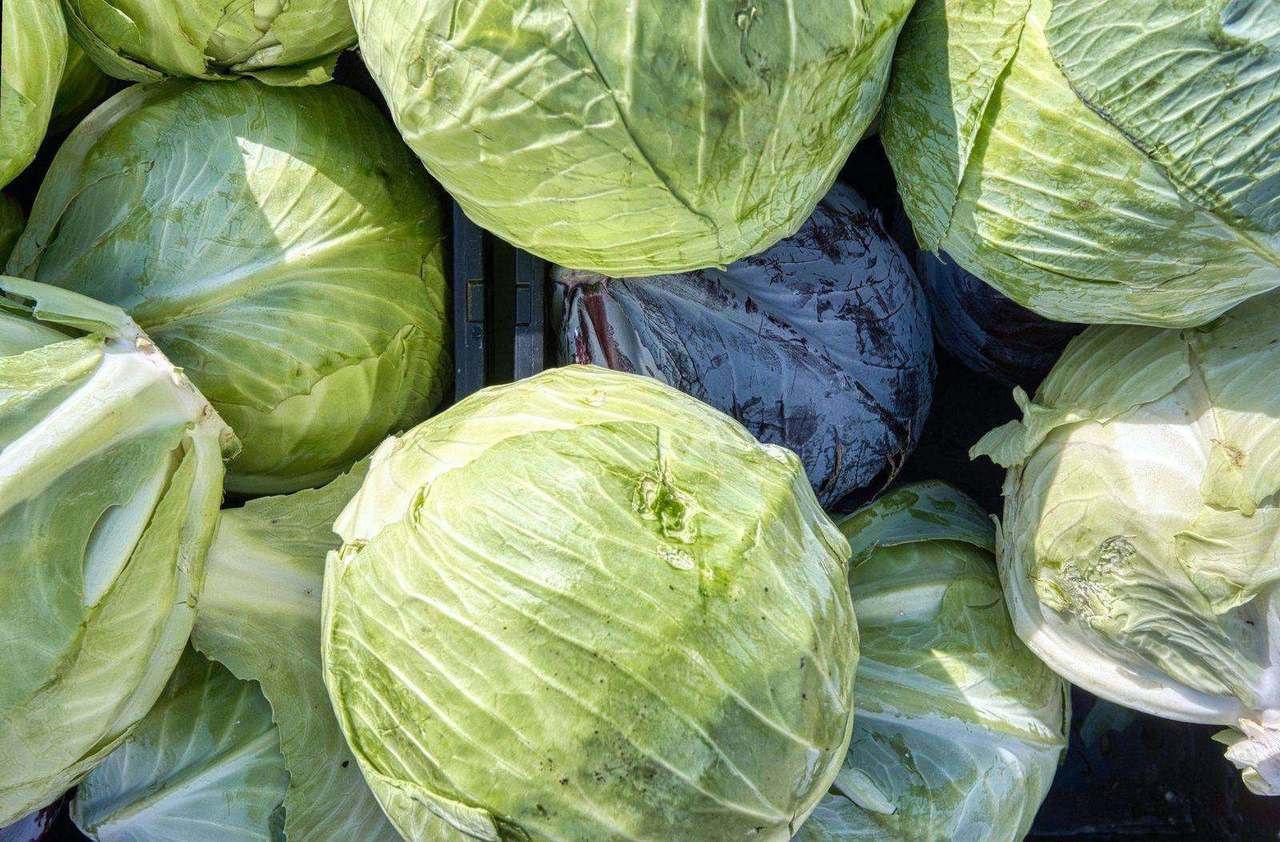
Food banks and community food organizations tell us in writing what they can collect, from which area and in what quantities, and we work to that.
Chapters send you introductions to farms with produce to give, once you have confirmed in writing what you can collect: fresh fruit and vegetables from farms in the surrounding area, in whatever the season is giving. The farm arranges each pickup with you directly. Food banks in Canada recorded close to 2.2 million visits in March 2025, according to Food Banks Canada, HungerCount 2025.
Whoever you are, write to andrew.sun.adair@gmail.com. Say who you are, where you are in the country, and what you have or need. Students copy their Teacher Advisor. HQ will reply.
One message is enough.
For farms
A grower can read what this involves in about a minute: one question, one follow-up, and the contact of an organization that collects.
Our resources
The evidence
Everything we say about food waste and food insecurity comes from published research, and all of it is listed with links. 8.8 million tonnes of edible food is wasted in Canada every year, according to Second Harvest and Value Chain Management International, 2024.
Browse all resources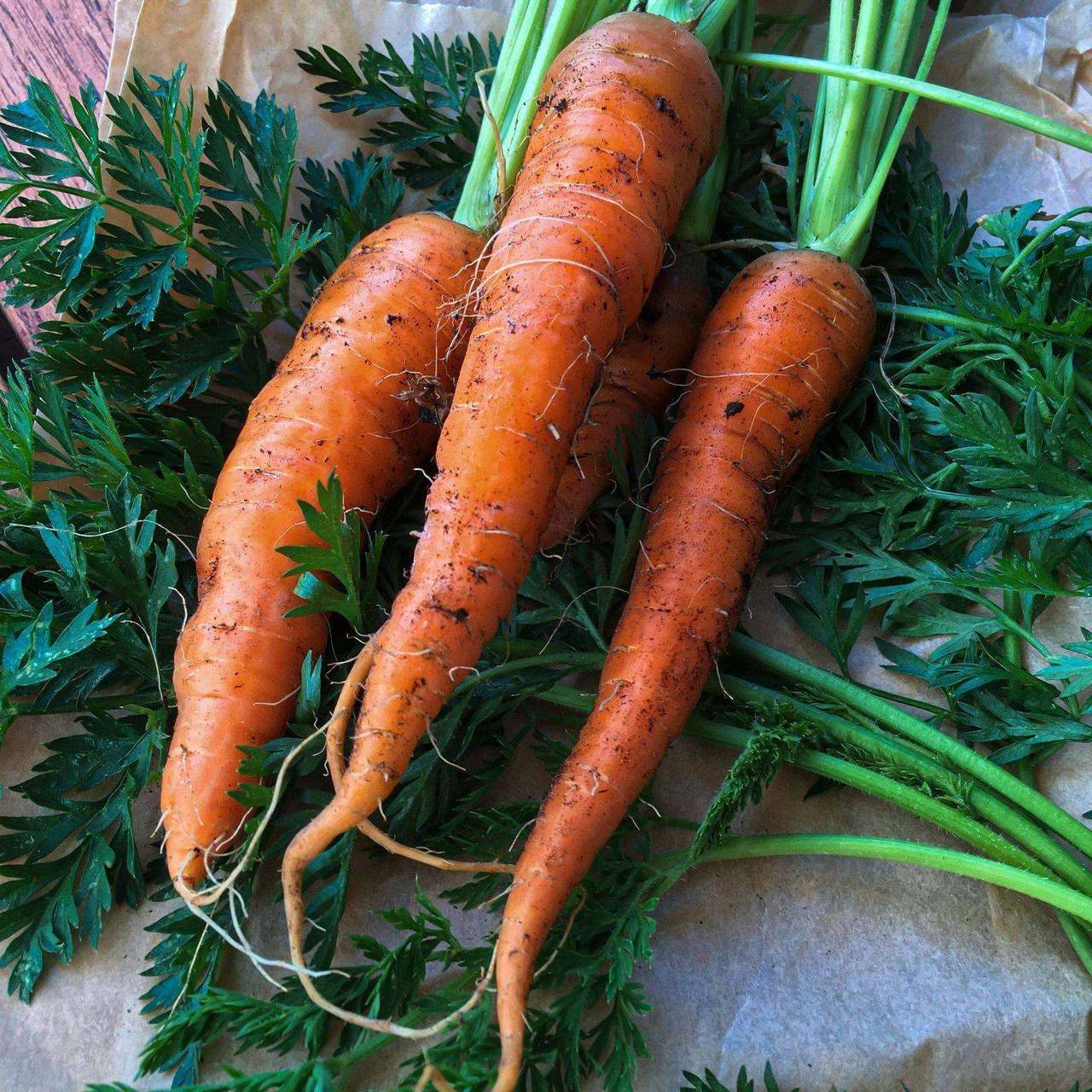
Our reports
Reports will appear once a full season of chapter records exists. Until then, write to us and ask.
See reports