Our people
Founder
Andrew Adair is the Founder of The Neighbour’s Table. New chapters are approved by HQ, and every chapter is run by its own students under a Teacher Advisor at their school.
How it started
How it started
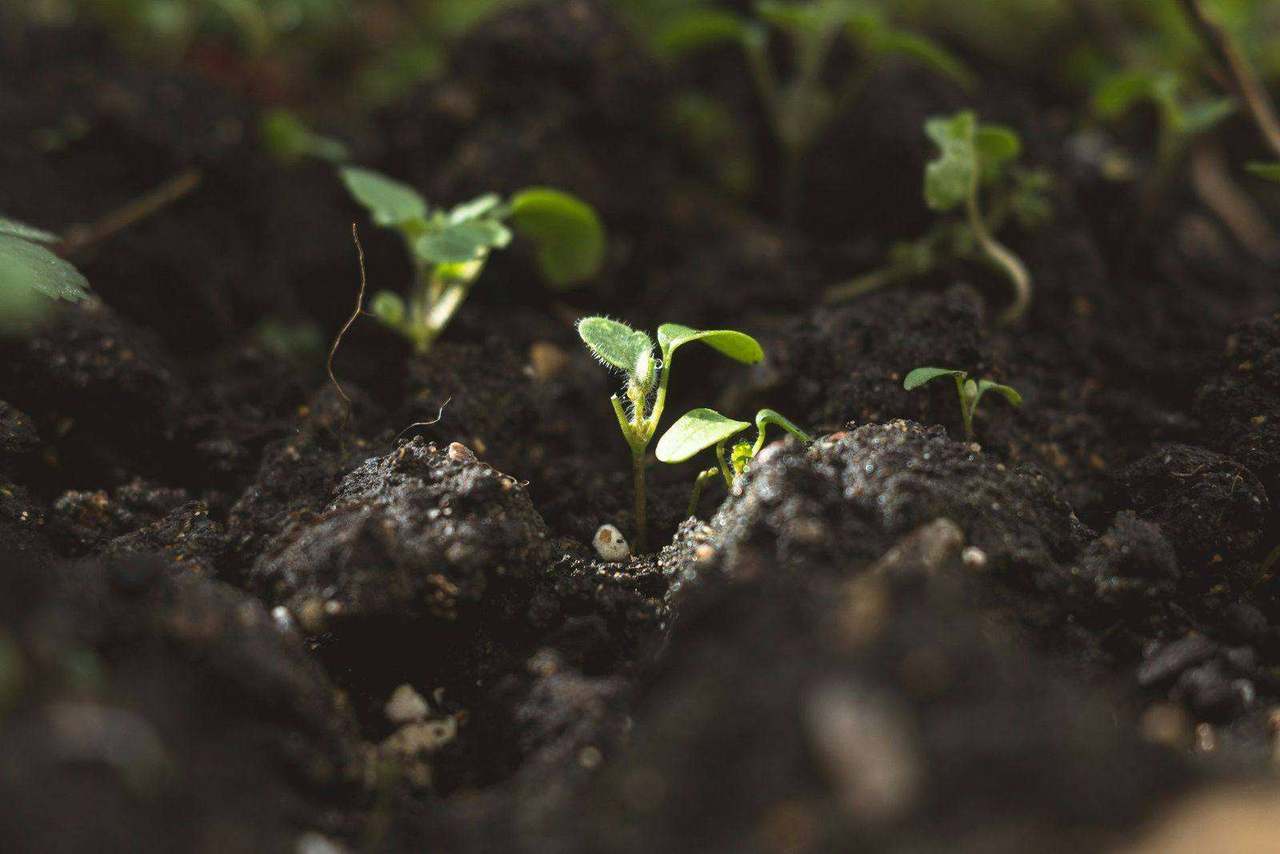
The Neighbour’s Table began with one question for farms: whether they have produce they cannot sell. The founding work is in Ontario.
The model was designed to be copied. A chapter needs the principal’s written approval, a Teacher Advisor, a room at lunch once a week, and 8 to 12 students.
Students do the work, and a Teacher Advisor at each school sees every message that leaves the chapter. Students build the farm list, ask each farm one question, hand every yes to an organization that collects it, and keep the record. That is what makes the model portable, and it is why any eligible high school in Canada can apply.
How it started
The work ahead
The work ahead
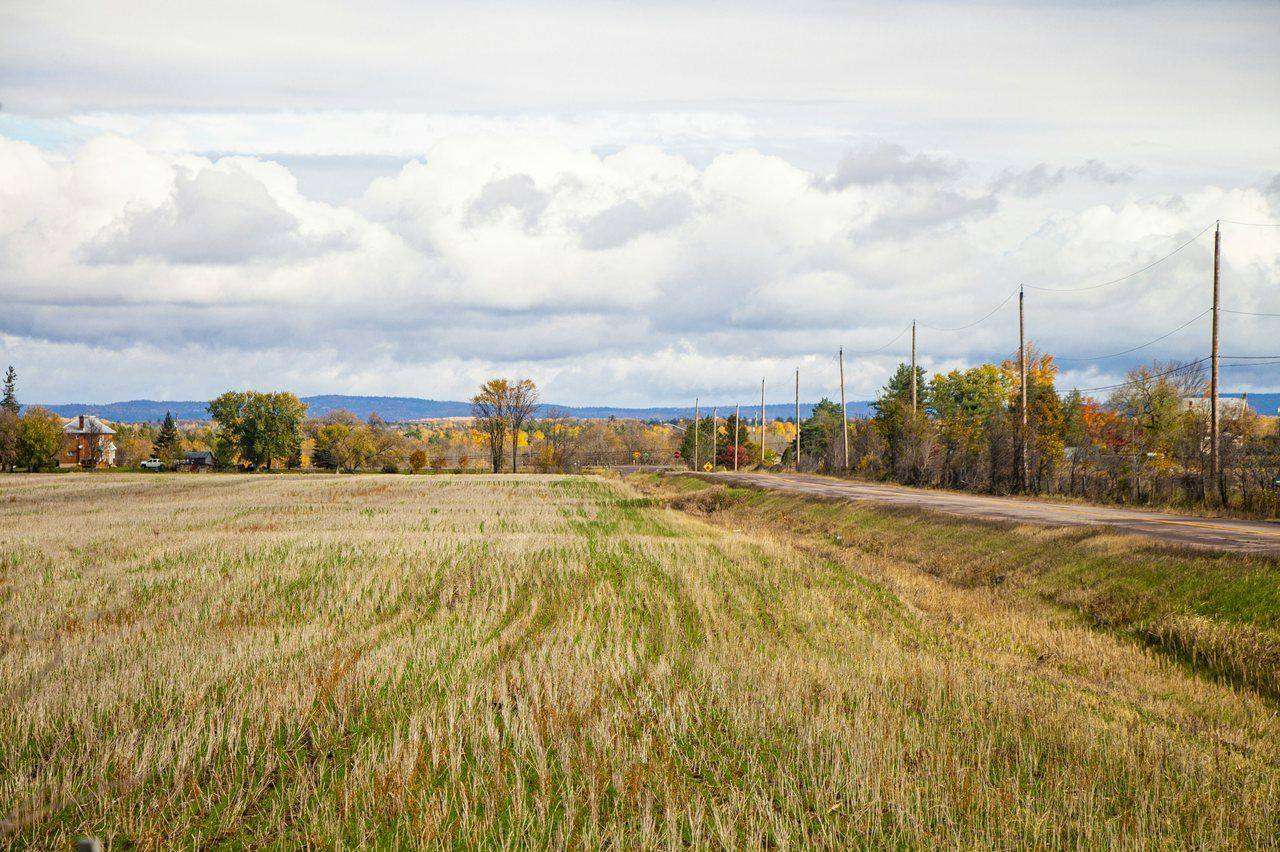
Any eligible high school in Canada can apply to open a chapter. Each chapter is a club of its own school, running the same model and keeping the same record, in an area HQ assigns.
The founding work is in Ontario.
Canada has 189,874 farms (Statistics Canada, Census of Agriculture 2021). An estimated 13% of the fruits and vegetables grown in Canada go unharvested or are discarded after harvest (Environment and Climate Change Canada). A chapter asking the farms in its area is how that produce gets a chance before it is ploughed under or sent to landfill.
The work ahead
The roles
The roles
Every chapter runs the same weekly session: 45 minutes, once a week, at lunch, in pairs.
Each chapter holds six named roles: Chapter Lead, Deputy Lead, Outreach Editor, List Builder, Follow-up Clerk and Records and Hours Clerk. A new chapter starts with three, Chapter Lead, Deputy Lead and Outreach Editor, and fills the rest as it grows. Every role names a deputy by 31 March. The deputy runs at least two sessions in April and every session in May, and the handover pack is completed in June.
Roles are held, not shared. A named role means one student is answerable for one part of the work, every week, and the rest of the chapter knows who that is. The Chapter Lead runs the session. The Deputy Lead runs it when the Chapter Lead is away. The Outreach Editor reads every email before it is sent. The List Builder builds and checks the farm list. The Follow-up Clerk sends the single follow-up on day 14 and closes the record. The Records and Hours Clerk keeps the farm record and the attendance and hours log, and enforces the never-collect rule.
The roles
The goals
The goals
The work sits directly under UN Sustainable Development Goal 12.3, which commits the world to halving per capita global food waste at the retail and consumer levels and reducing food losses along production and supply chains by 2030. Asking farms about surplus produce, and handing every yes to a food bank, serves Goal 2 on hunger and Goal 13 on climate at the same time, because food sent to landfill is food that fed nobody.
Goal 2 commits the world to ending hunger and ensuring access by all people to safe, nutritious and sufficient food all year round. In Canada that goal is a long way from met: 24.0% of people in Canada lived in a food-insecure household in 2025, about 9.8 million people (PROOF, University of Toronto, 2026).
Goal 13 asks for urgent action on climate change. Food that rots in a landfill gives off methane, so produce that reaches a food bank instead of a landfill avoids those emissions. That is why the three goals are read together here and not separately.
Three goals, one piece of work. Every figure on this site names its source.
The goals
The advocacy
The advocacy
Half the work is asking farms about surplus produce. The other half is arguing for a food system that stops treating edible food as waste. Students can make that case in their own school, with the sources attached.
Advocacy works better with numbers behind it, so every claim this organization makes in public is tied to a published source and the source is named alongside the figure.
Food banks in Canada recorded close to 2.2 million visits in March 2025 (Food Banks Canada, HungerCount 2025). Food bank visits in March 2025 were 99.4% higher than in March 2019, nearly double (Food Banks Canada, HungerCount 2025). A third of food bank visits in March 2025 were by children (Food Banks Canada, HungerCount 2025).
The advocacy
The research
The research
The research behind our figures: Food Banks Canada, PROOF at the University of Toronto, Environment and Climate Change Canada, Second Harvest with Value Chain Management International, and Statistics Canada.
Every figure on this site comes from one of them, and names its source.
The research
Built by students, run by students, and open to more.
Built by students, run by students, and open to more.
Every role in every chapter is held by a student at that school. Members are unpaid and the session is a standing one: once a week at lunch, a named role, and a record that the next student can take over.
Leadership passes by relay. Each role has a named deputy who has already run sessions before handover, so a handover is an administrative fact rather than an event. That is how a student organization outlasts the students who started it.
Any eligible high school in Canada can apply to open a chapter. A chapter opens when the principal approves in writing, a Teacher Advisor is named, HQ accepts the application and the Chapter Agreement is signed.
Built by students, run by students, and open to more.