Our work
Surplus produce
Edible, already grown, and headed for the ground instead.
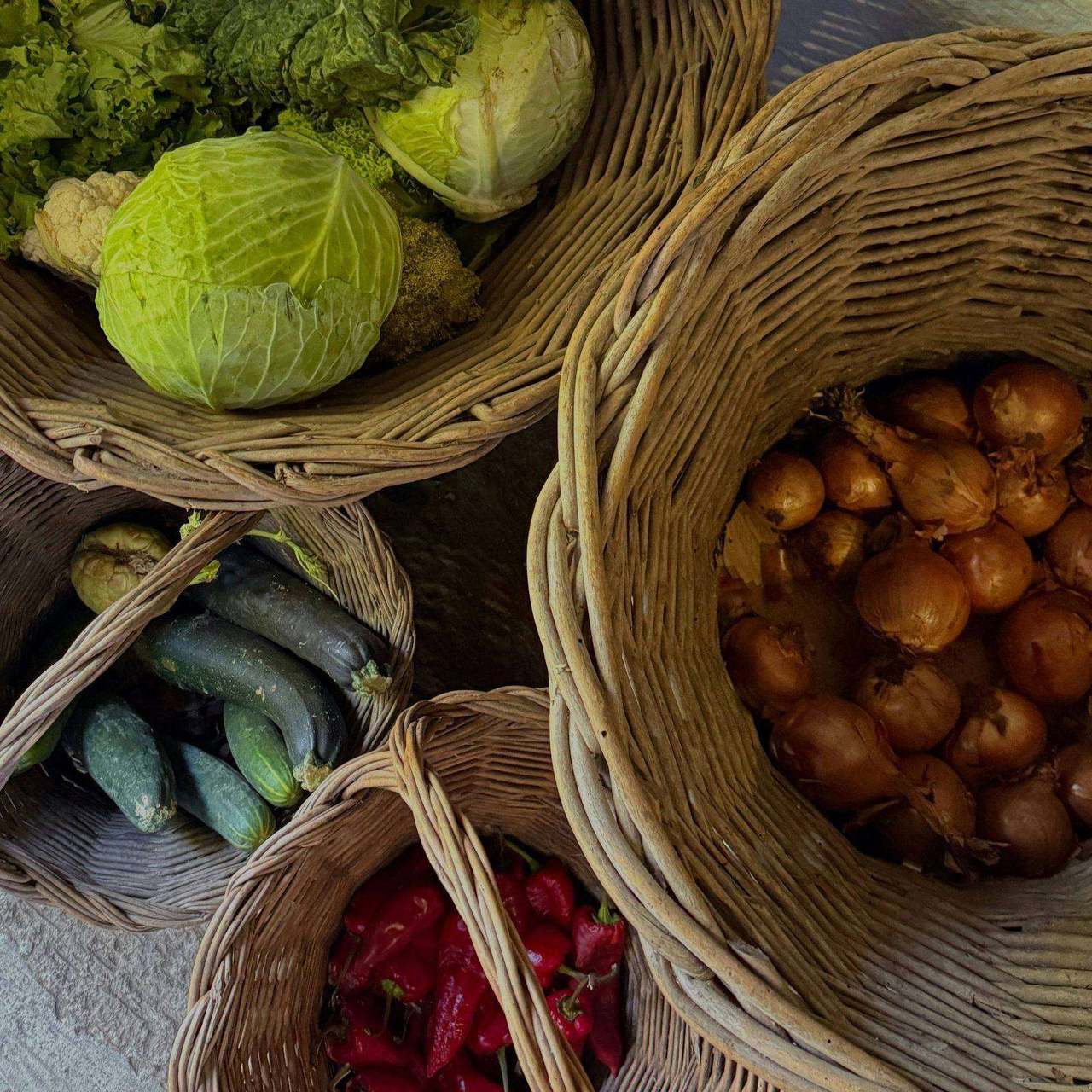
Surplus produce is food a farm has grown and cannot sell. It is edible, it is already in the yard, and it has nowhere to go.
It happens for ordinary reasons. A contract falls through. A buyer’s specification changes. A harvest comes in heavier than the market wanted, or the fruit is the wrong size or shape for a supermarket shelf. An estimated 13% of the fruits and vegetables grown in Canada go unharvested or are discarded after harvest, on Environment and Climate Change Canada figures, citing Value Chain Management International.
What happens next is the waste. Produce that is not sold is often disced back into the field, which means ploughed under where it grew, or sent to landfill. It fed nobody, and the growing was already done.
Already grown. Still edible.
The work
Surplus is the reason The Neighbour’s Table exists. The section covers what chapters do about it, how a chapter runs, and what the organization is working toward.
Our work
Three verbs
Ask the farm about it, hand every yes to a food bank that collects it, and record the outcome. That is the whole job.
What we do
Local by design
Surplus is local. Each chapter works an area that HQ assigns around its own school, and no two chapters write to the same farm.
Where we work