About us
Our story
What we do
What we do
The Neighbour’s Table is a student-run nonprofit. Chapters at Canadian high schools ask farms one question, whether they have produce they cannot sell, and hand every yes to a food bank or food rescue organization that collects it with its own vehicle.
Students never handle food, never travel to farms and never hold money. The work happens at school, at lunch, under a Teacher Advisor.
Andrew Adair is the Founder of The Neighbour’s Table. Each chapter is a club of its own school, run by its own students, starting with three roles: Chapter Lead, Deputy Lead and Outreach Editor.
One sentence frames the work:
The food exists. The distance between the farm and the food bank is the problem.
The work needs no premises, no equipment and no money, which is why a chapter can open at any eligible high school in Canada. Every chapter follows the same term calendar, adapted to the local harvest.
September Set up
September: set up
September is set up. Before anyone is recruited, the chapter has the principal’s written approval, a named Teacher Advisor, a Chapter Application sent to HQ and a signed Chapter Agreement.
A new chapter starts with three roles: Chapter Lead, Deputy Lead and Outreach Editor. It books a room for a 45-minute session, once a week, at lunch. It sets up its farm record and builds its farm list once HQ has assigned its area. Every record carries the published business contact, the source it came from, the date it was checked, and the outcome.
Late summer to late autumn
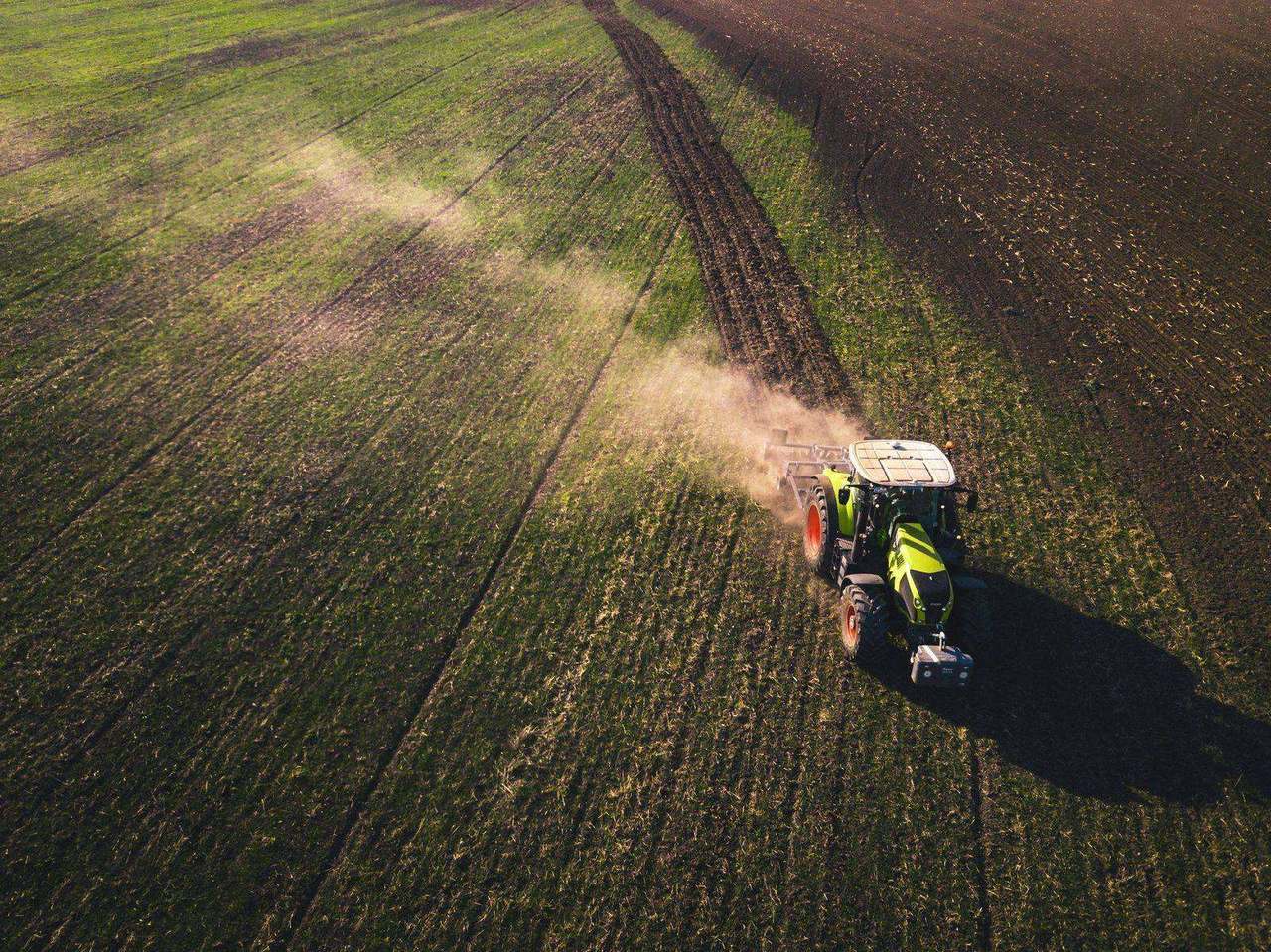
Late summer to late autumn: the main season
Late summer to late autumn is the main season for field produce. Pairs draft each email from the template, and the Outreach Editor reads every one before it is sent.
Each farm is asked one question: “Do you have surplus or grade-out produce this season that you cannot sell?” One follow-up goes about two weeks later if there is no reply, and then the chapter stops. No chapter sends more than 40 first contacts in a week.
Every yes is handed to an organization that collects it with its own vehicle, and the outcome is recorded.
Winter Lists and records
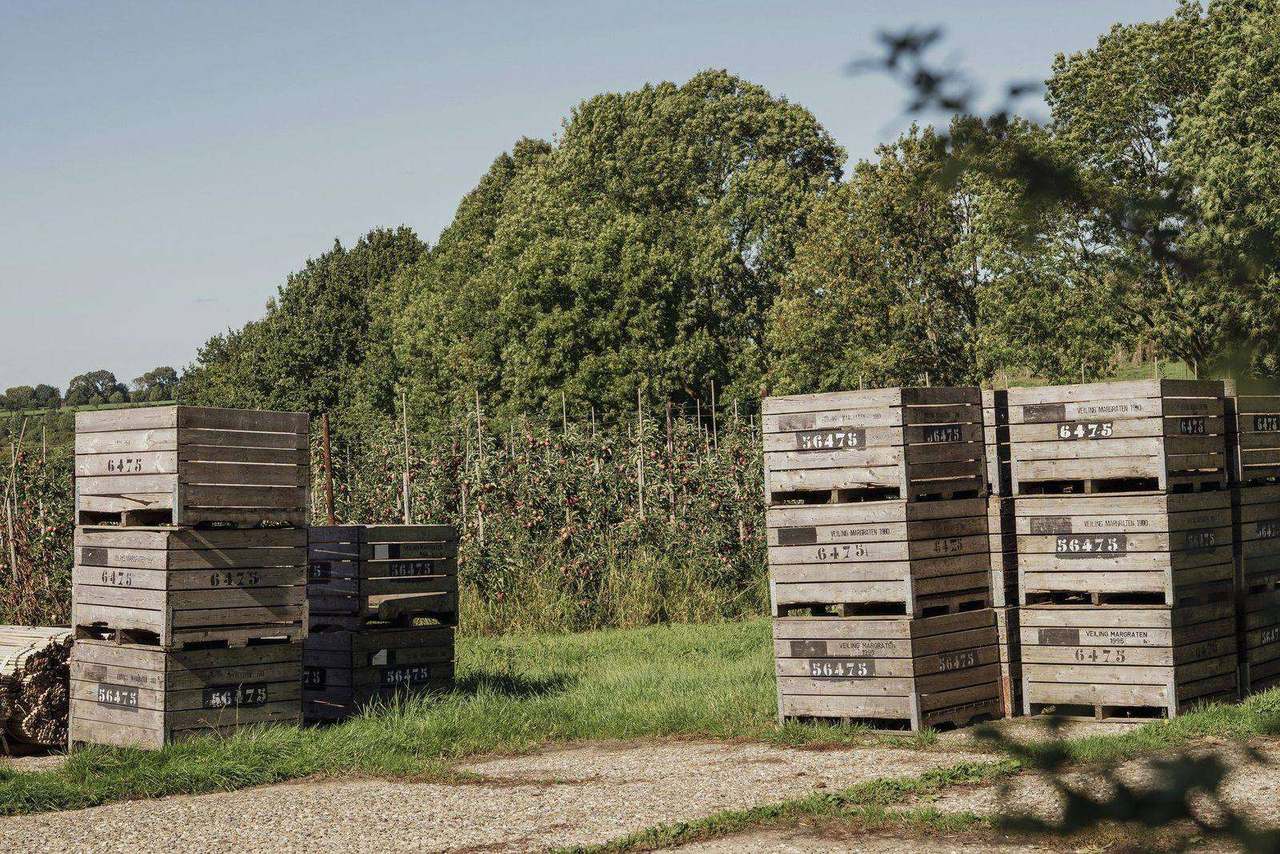
Winter: list building and records
Winter is list building and records. The List Builder adds farm businesses from published sources, with the source and the date checked recorded against every entry, and the Outreach Editor signs off every farm record.
We record published business contacts and nothing else. Never a personal address, never a personal mobile number, never anything from a personal social media profile.
Spring Pre-season
Spring: pre-season contact
Spring is pre-season contact for the next harvest, timed to what grows in the chapter’s area.
Every role names its deputy by 31 March. The deputy runs at least two sessions in April and every session in May.
June Handover
June: handover
June is handover. The handover pack is completed, and the Deputy Lead, who has held every credential from the first day, becomes Chapter Lead.
The organization is built so that no single person leaving changes anything. The records belong to the chapter rather than to any student in it. That discipline is what keeps a chapter running from one year to the next.
Ahead
Ahead
Ahead of us is the first season. 8.8 million tonnes of edible food is wasted in Canada every year (Second Harvest and Value Chain Management International, 2024), while food bank visits in March 2025 were 99.4% higher than in March 2019, nearly double (Food Banks Canada, HungerCount 2025). Produce that would go into the ground can reach a food bank instead.
Our work sits directly under UN Sustainable Development Goal 12.3, and Goals 2 and 13.
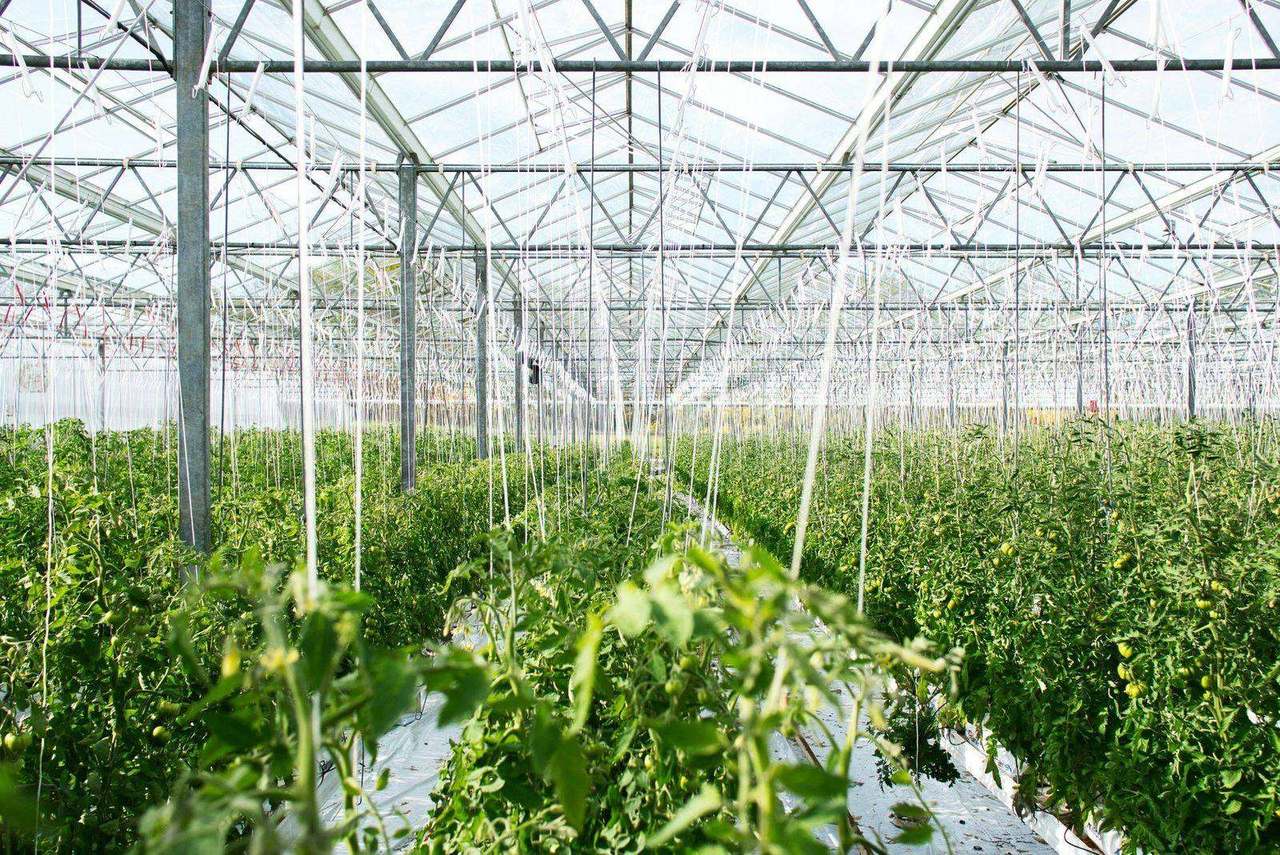
Tomato plants in a commercial greenhouse.