Our people
Leadership
Andrew Adair is the Founder. Every chapter is run by its own students, starting with three roles: Chapter Lead, Deputy Lead and Outreach Editor. A full chapter has six named roles, and a student holds every one.

Chapter Lead
Runs the session
Chapter Lead
Runs the session
Runs the weekly session, holds the timer, keeps the visible count, and works with the Teacher Advisor and the Chapter Liaison.
The Chapter Lead is accountable for the chapter as a working unit. They open the room, greet every member by name, hold the session to time, and keep the Teacher Advisor informed. They set the tone: this is a club with a standing session, not one that meets when convenient. The role suits a student who is organized, steady and comfortable holding other people to what they agreed to. Every Chapter Lead trains their own Deputy Lead.
Chapter Lead
Runs the session

Deputy Lead
Holds the continuity
Deputy Lead
Holds the continuity
Holds every credential from the first day, runs the session whenever the Chapter Lead is away, and becomes Chapter Lead at handover.
The Deputy Lead exists so that a chapter never depends on one student. Access to the farm list, the record and the calendar is granted on day one, not at handover, because a deputy who gets the folder in May does not know what is in it. Every role names a deputy by 31 March. The deputy runs at least two sessions in April and every session in May, and the handover pack is completed in June. Continuity is designed in, not hoped for.
Deputy Lead
Holds the continuity
List Builder
Builds the list
List Builder
Builds the list
Builds and checks the chapter’s farm list from published sources, within the area HQ assigns. Splits the list so that no two pairs write to the same farm. Every entry is a commercial farm business, with the public source it came from and the date it was checked.
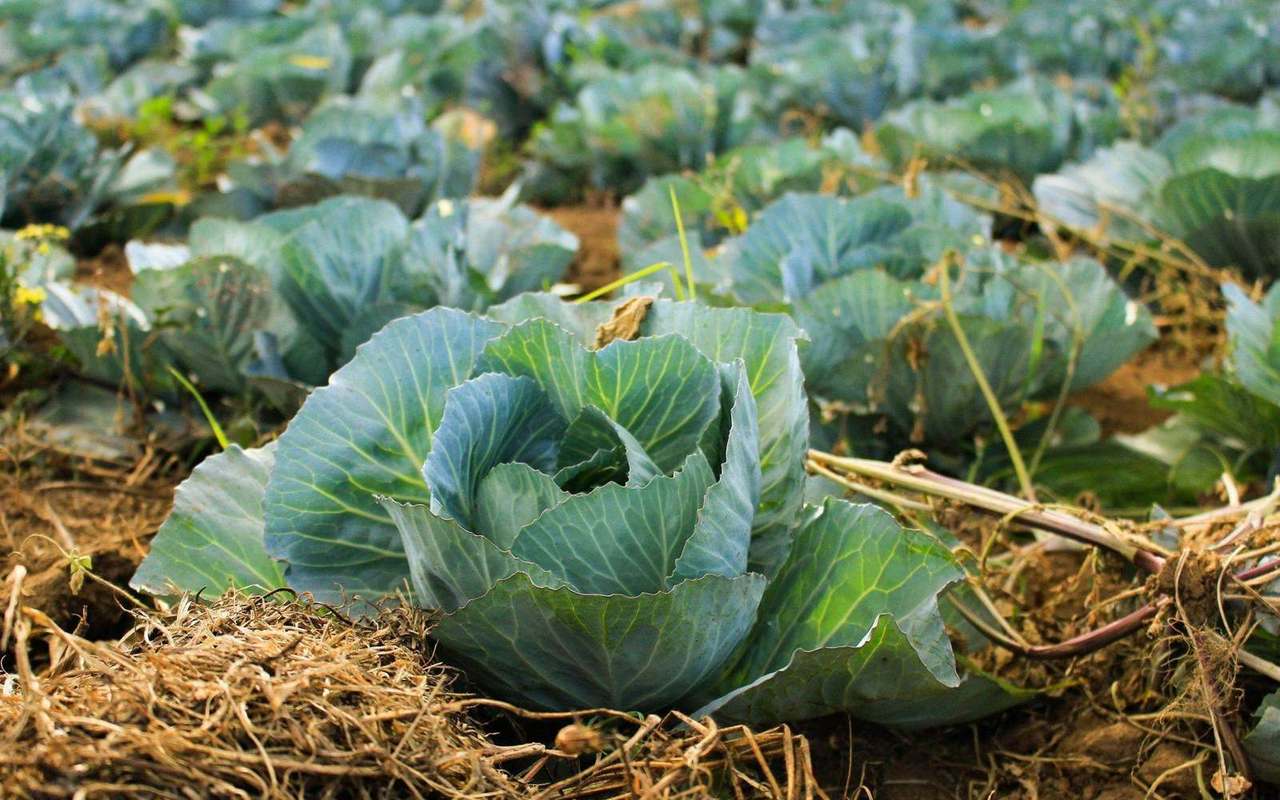
Canada has 189,874 farms (Statistics Canada, Census of Agriculture 2021). The List Builder turns that national picture into a list a chapter can work through, within its assigned area, season by season.

List Builder
Builds the list
The Outreach Editor
Reads every email sent

The Outreach Editor
Reads every email sent
Reads every email before it is sent, and signs off every farm record.
Nothing goes out unread, including the Chapter Lead’s emails. Pairs draft each email from the template, and the Outreach Editor checks that the farm’s name is right, that the email asks the one question and nothing else, that it carries the school’s street address and the STOP line, that the Teacher Advisor is copied, and that every farm record is complete. A farm’s first impression of The Neighbour’s Table is one short message, and this is the role that makes sure it is a good one.
The Outreach Editor
Reads every email sent
Follow-up Clerk
Owns the follow-up
Follow-up Clerk
Owns the follow-up
Sends the single follow-up on day 14 and closes the record.
One follow-up, about two weeks later, catches emails that were missed in a busy week. After that the chapter does not write to that farm again. The Follow-up Clerk keeps the queue, sends on schedule, records every answer and closes each record.
Follow-up Clerk
Owns the follow-up

Records and Hours Clerk
Keeps the whole record
Records and Hours Clerk
Keeps the whole record
Keeps the farm record and the attendance and hours log, and enforces the never-collect rule. Keeps the record current during the session, not afterwards, and hands it on intact.
The record is the chapter’s memory. It is what lets a chapter carry on in September from where it left off in June, and what makes every monthly report to HQ checkable. The Records and Hours Clerk also protects it: no personal addresses, no personal numbers, nothing from a personal social profile, and nothing at all about anyone who uses a food bank. The same student enforces the never-collect rule: food goes from the farm to the receiving organization, never through a member’s hands. Discipline here is what makes everything else trustworthy.
Records and Hours Clerk
Keeps the whole record
A chapter
The weekly session
A chapter
The weekly session
A chapter is a club of its own school, run by its students under a Teacher Advisor. Between 8 and 12 students meet once a week at lunch for 45 minutes, work in pairs, write to farms in the area HQ assigns, and log every outcome before they leave the room.
A full chapter holds all six roles, and a new one starts with three. Nobody works alone, and nobody carries the whole thing. The session is the same every week, which is what makes the work add up across a season rather than a single afternoon.
A chapter
The weekly session
The farm list
Built from public sources
The farm list
Built from public sources
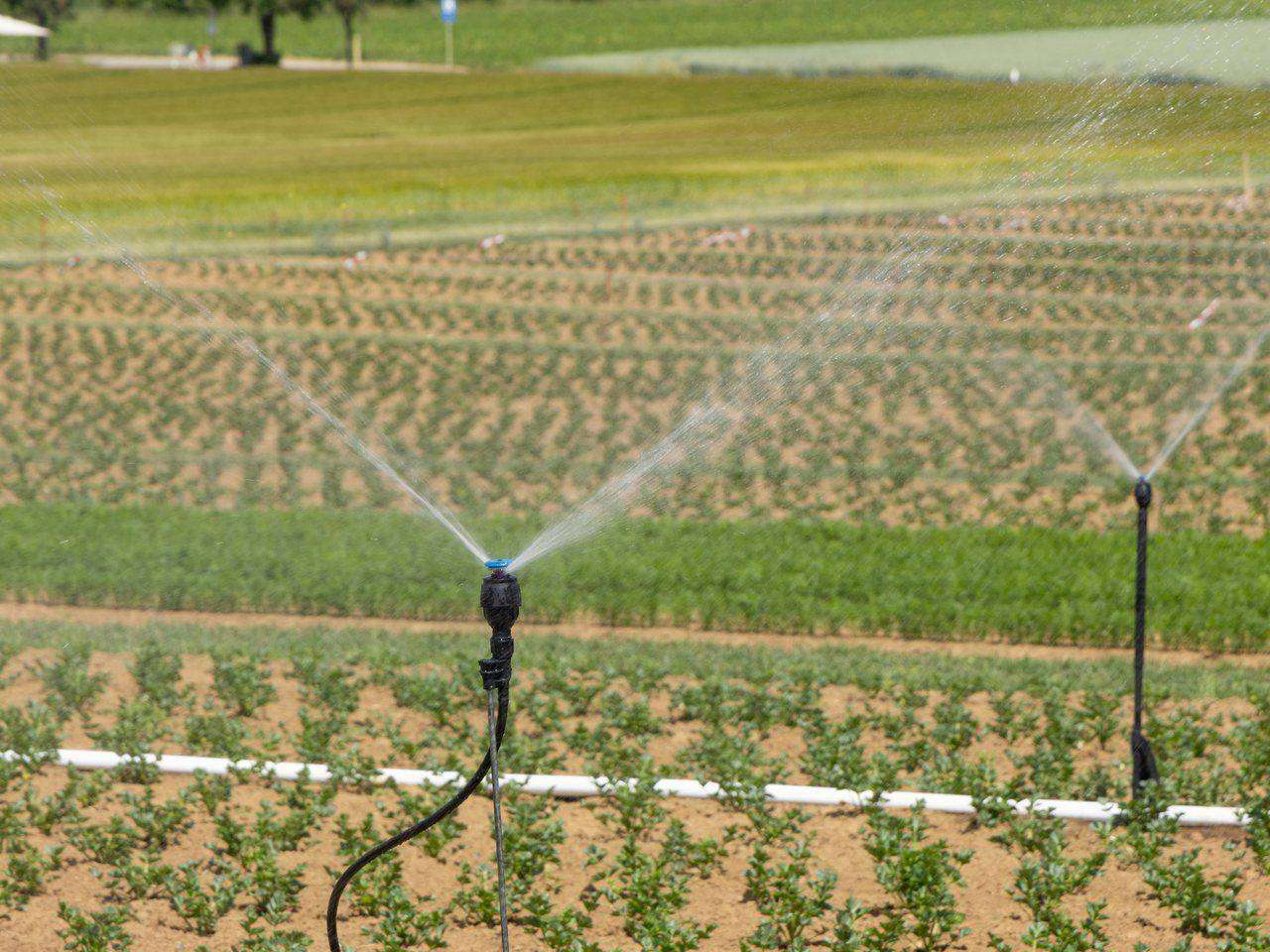
Every chapter keeps a list of the commercial farm businesses in its assigned area, with the source and date for each.
The list is built from published sources once HQ has assigned the area, and it grows every week the chapter meets. We never ask about produce from backyard, home or community gardens.
The farm list
Built from public sources
The first contact
Short and direct
The first contact
Short and direct
One short email to a farm’s published business address. It says who we are and asks one question: Do you have surplus or grade-out produce this season that you cannot sell?
Growers are busy and their time is worth respecting, so the message is brief and says exactly what it means. There is no pitch and no padding. Pairs draft it from the template, the Outreach Editor reads it, and it goes out the same session with the Teacher Advisor copied. Farms that say no are thanked and left alone. Farms that say yes are introduced to an organization that collects, and that relationship is theirs. An estimated 13% of the fruits and vegetables grown in Canada go unharvested or are discarded after harvest, according to Environment and Climate Change Canada. That is what the message is about.
The first contact
Short and direct

The one follow-up
Then the chapter stops
The one follow-up
Then the chapter stops
One follow-up, about two weeks later, catches emails that were missed in a busy week. Then the chapter stops.
Following up is a calendar discipline rather than a talent, which is why the role is held by a named student and tracked in the record. A farm that does not reply to the follow-up is not written to again.
The one follow-up
Then the chapter stops

Every farm recorded
Logged, dated and kept
Every farm recorded
Logged, dated and kept
Every farm, every contact and every outcome is written down while the session is running.
A record kept properly is what separates an organization from an afternoon of good intentions. It is how a chapter hands over cleanly, how HQ keeps the shared do-not-contact list current, and how The Neighbour’s Table will report real results rather than estimates once chapters are approved and reporting.
Every farm recorded
Logged, dated and kept
Opening a chapter
Open to any eligible school
Opening a chapter
Open to any eligible school
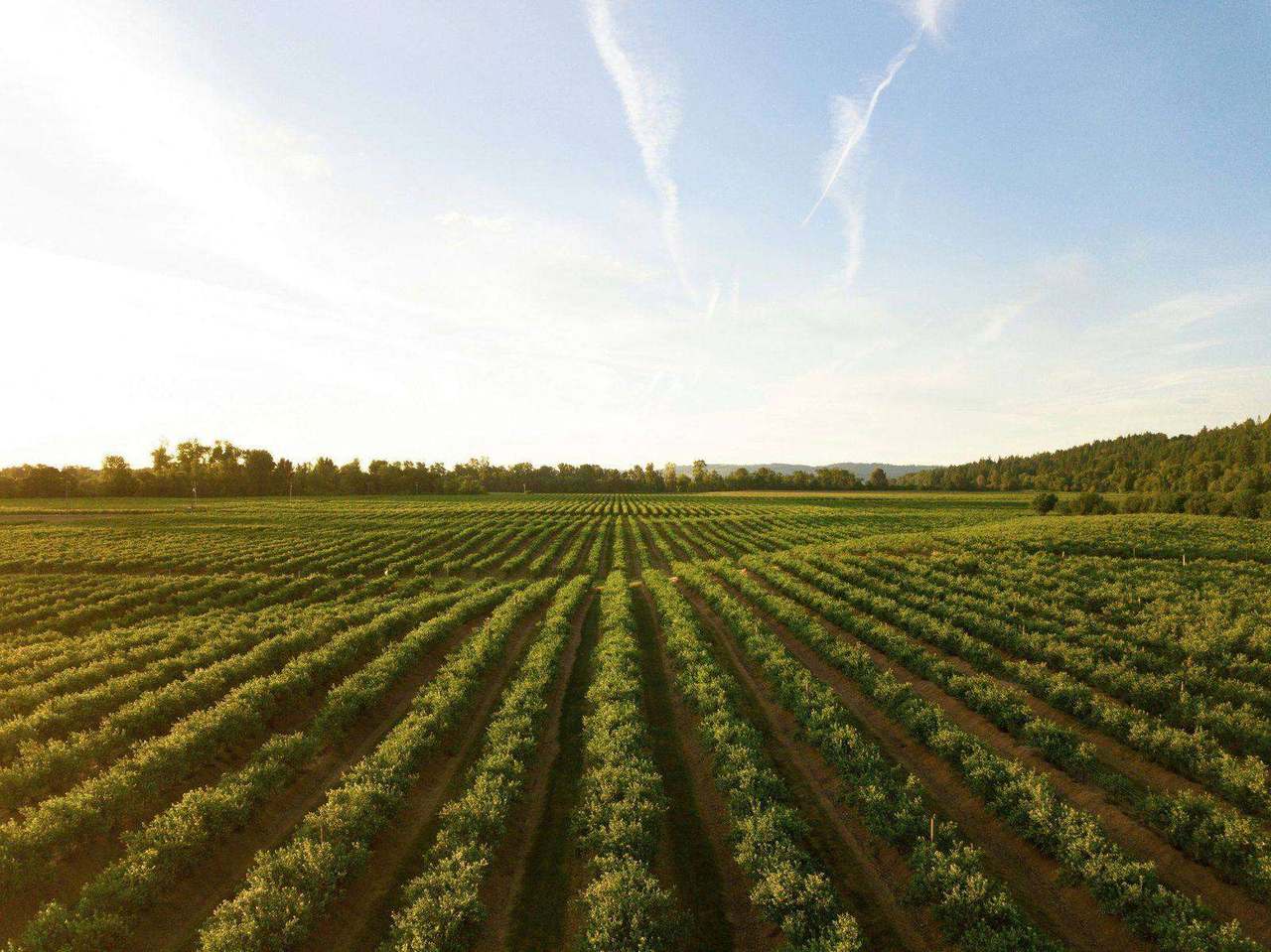
Each chapter runs the same model in its own assigned area.
Any eligible high school in Canada can apply to open a chapter, and each one starts from the same written method: a school club, a Teacher Advisor, an assigned area of farms, and the same six roles.
Opening a chapter
Open to any eligible school
Our three goals
Goals 2, 12, 13
Our three goals
Goals 2, 12, 13
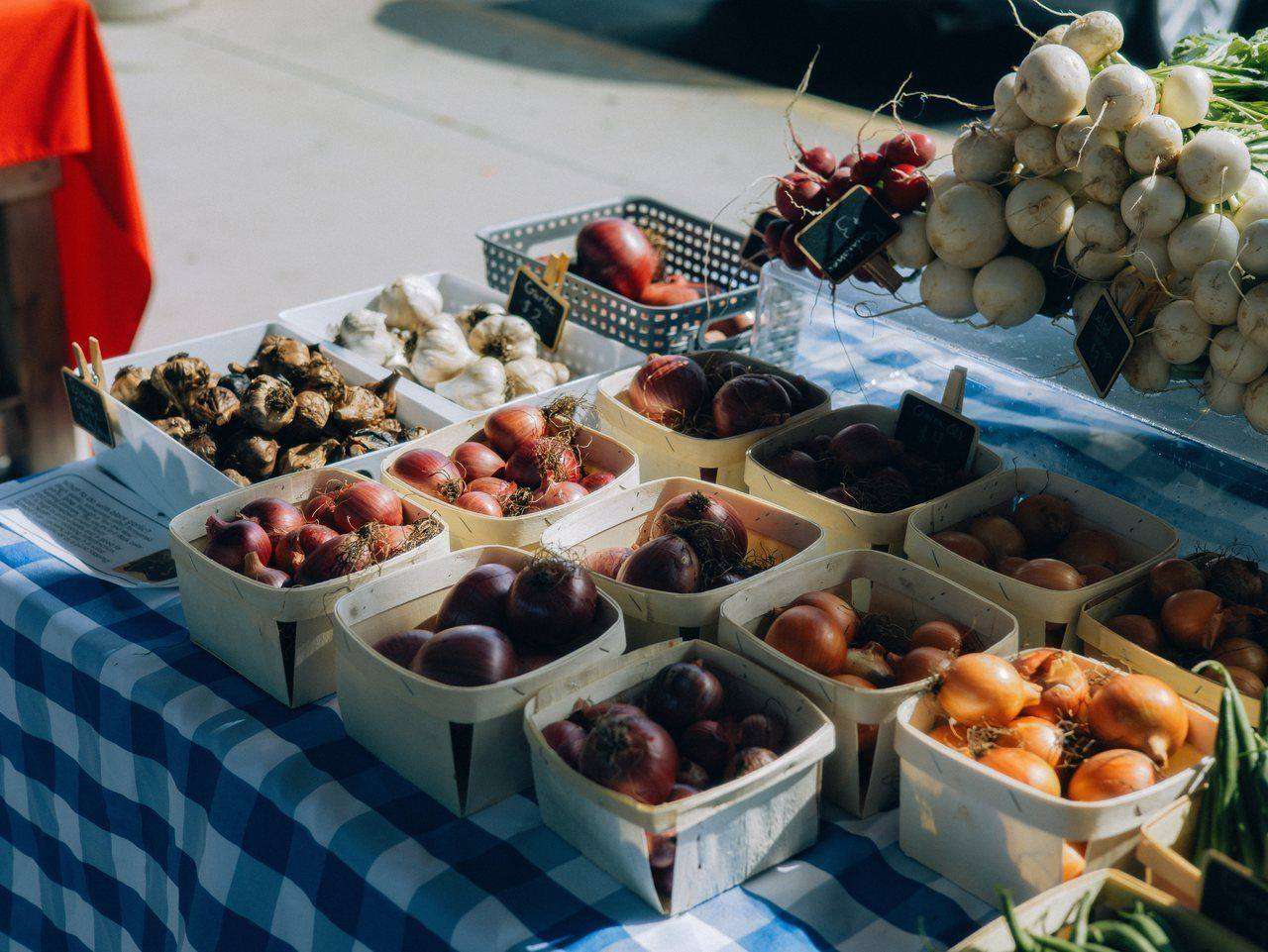
The work of The Neighbour’s Table sits under UN Sustainable Development Goal 12.3, which commits the world to halving food waste at retail and consumer levels and reducing food losses along production and supply chains by 2030.
Asking farms about surplus produce, and handing every yes to a food bank, serves Goal 2 on hunger and Goal 13 on climate at the same time, because food sent to landfill is food that fed nobody and warmed the planet on the way out.
Our three goals
Goals 2, 12, 13
Join us
Every role is open

Join us
Every role is open
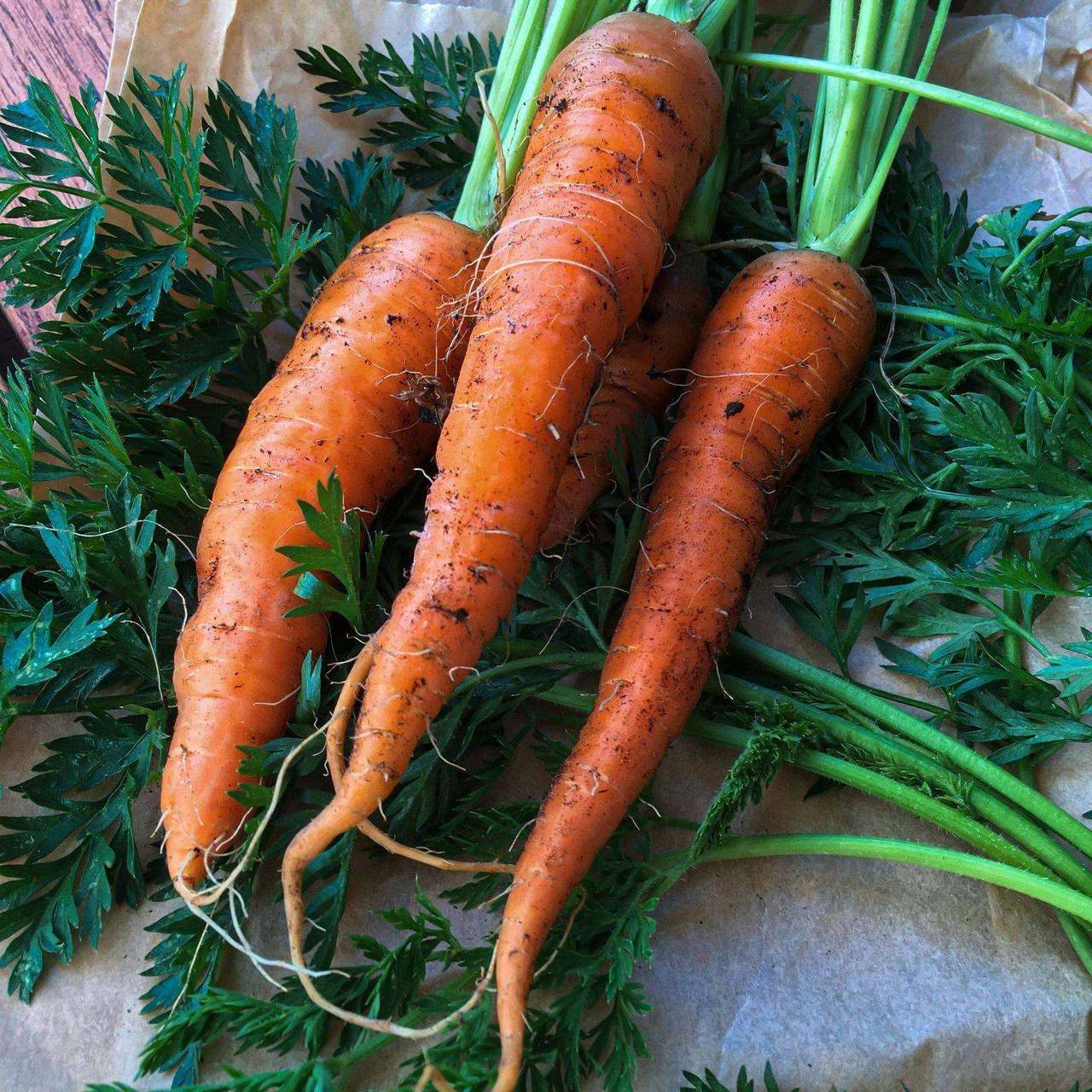
Students join the chapter at their own school and take a named role from the start. If there is no chapter yet, students can start one: first the principal’s written approval and a Teacher Advisor, then the Chapter Application Form to HQ.
Members of The Neighbour’s Table are unpaid, and the session is a standing one rather than a single shift. In return you hold real responsibility in a real organization, from your first week.
Join us
Every role is open