Our work
Our work
We ask, we introduce, and we keep the record.
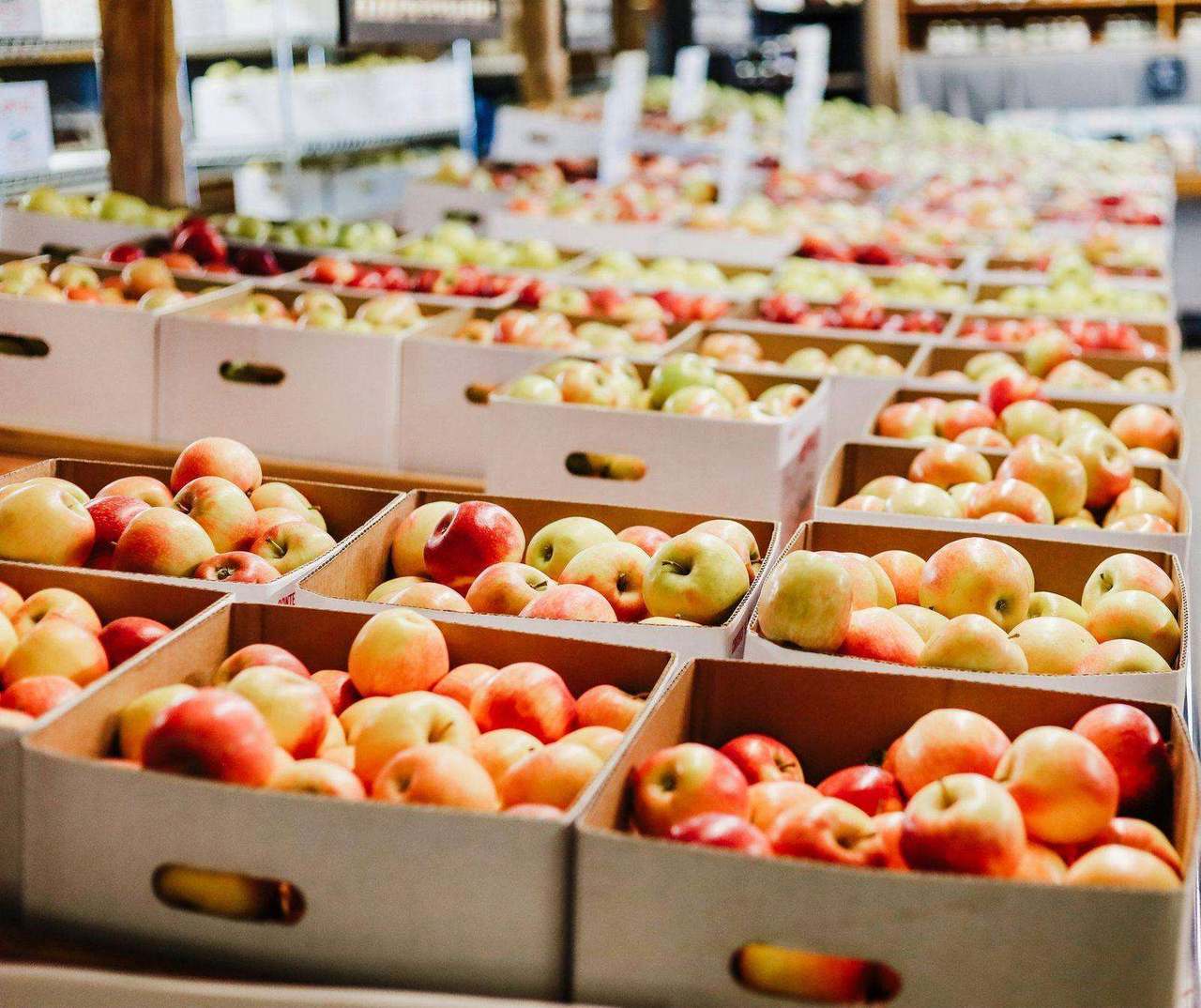
The work has three parts. Students ask farms about surplus produce, hand every yes to a food bank that collects it, and record every outcome.
Students in each chapter build a list of the farm businesses in their assigned area from published sources. Pairs draft each email from the template, and the Outreach Editor reads every one before it is sent. When a farm says yes, the chapter gives it the published contact of an organization that collects with its own vehicle. Members record every contact and every outcome, and that record is what a chapter runs on.
Alongside the work, we make the case that edible food is not waste. 8.8 million tonnes of edible food is wasted in Canada every year (Second Harvest and Value Chain Management International, 2024). 24.0% of people in Canada lived in a food-insecure household in 2025, about 9.8 million people (PROOF, University of Toronto, 2026).
The food already exists.
Three parts
Ask, introduce, record, set out in full. The page explains what each part involves, who does it inside a chapter, and how a farm’s yes reaches an organization that collects.
Read what we do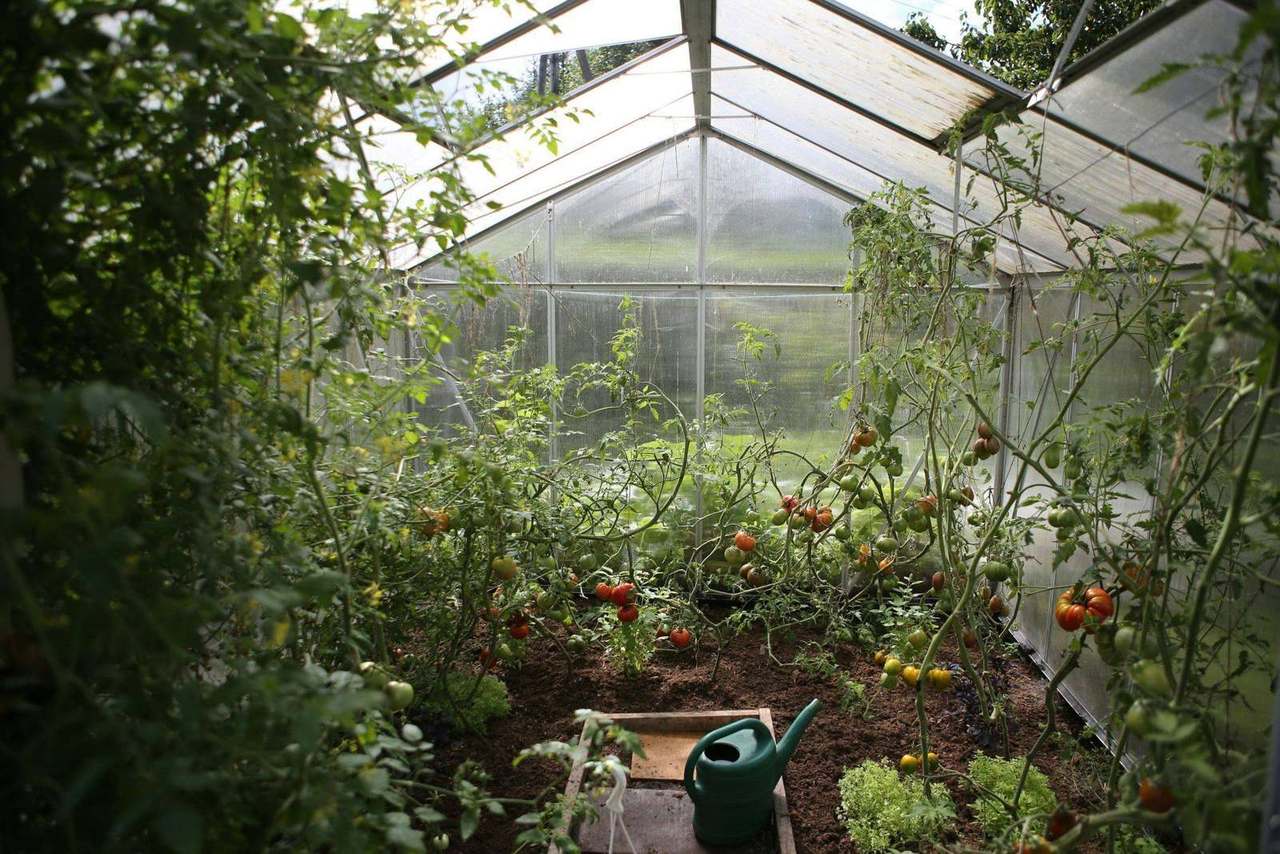
Surplus produce
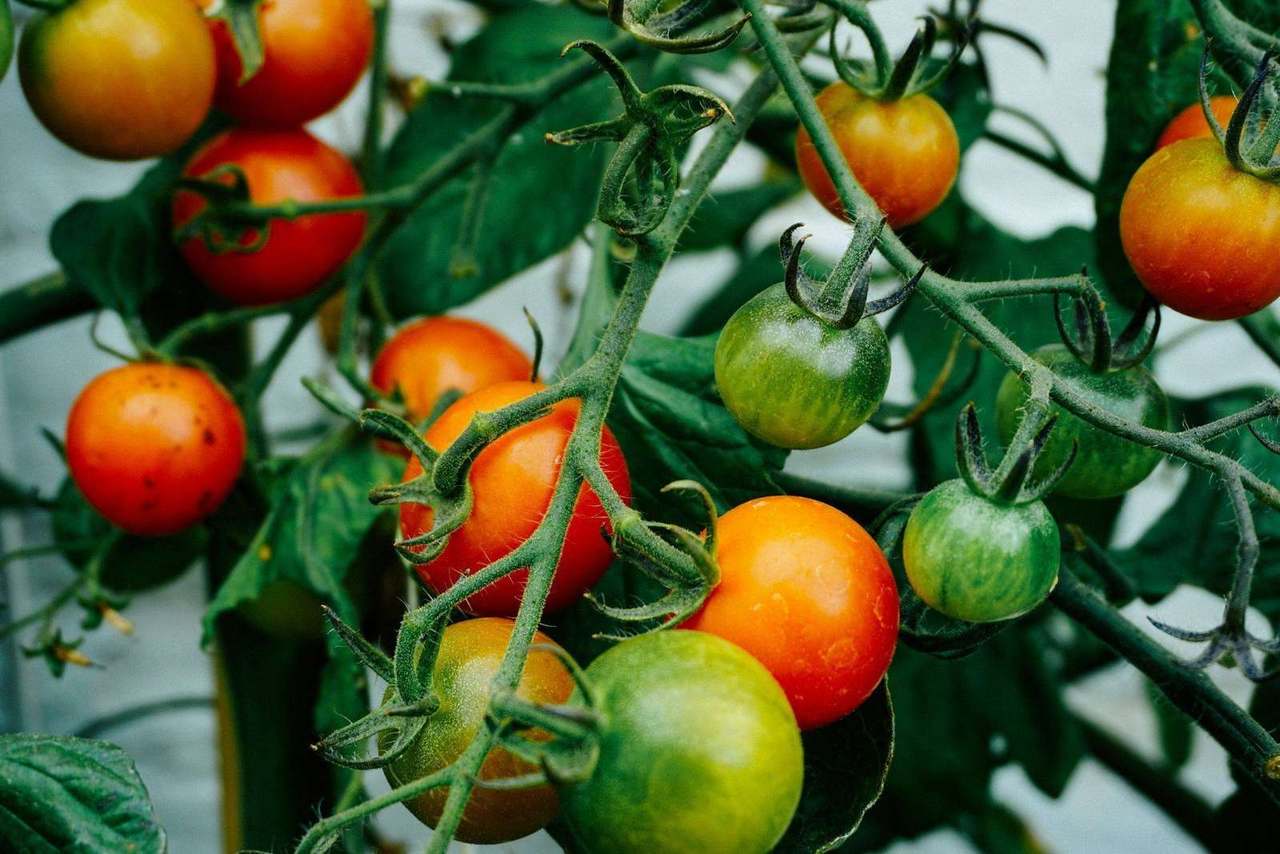
Produce no buyer takes: a contract falls through, a specification changes, the fruit is the wrong size. An estimated 13% of the fruits and vegetables grown in Canada go unharvested or are discarded after harvest (Environment and Climate Change Canada).
Read surplus produce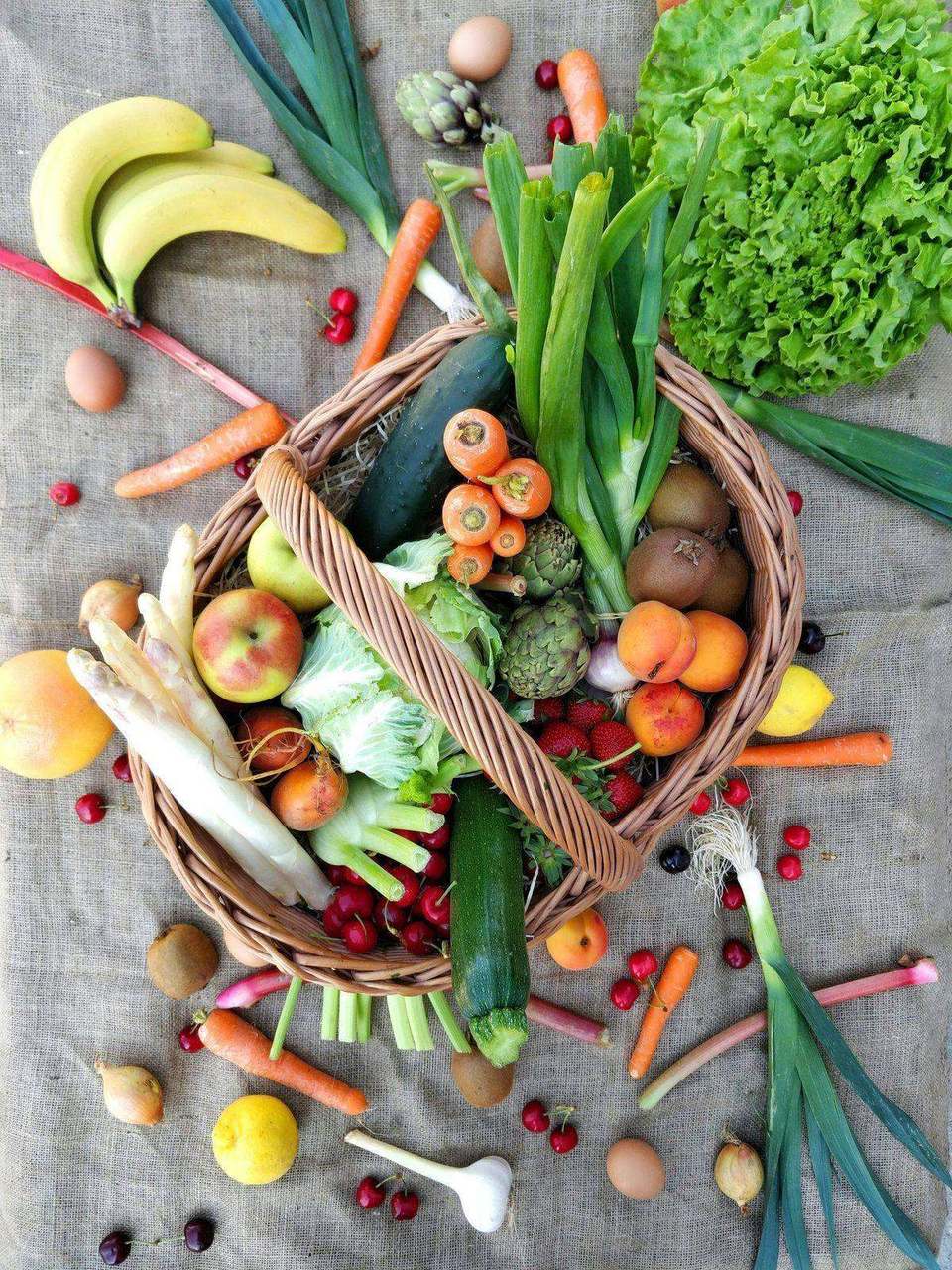
Where we work
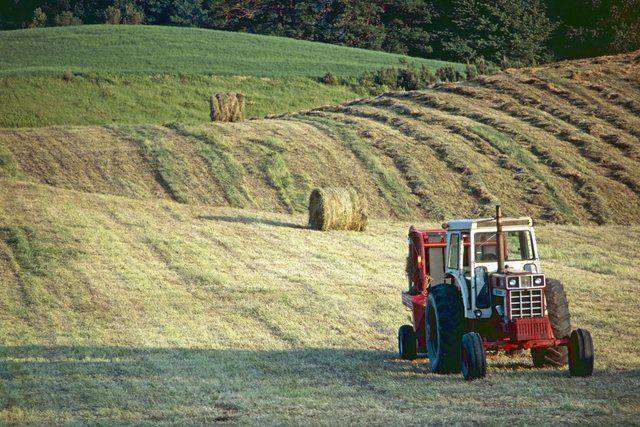
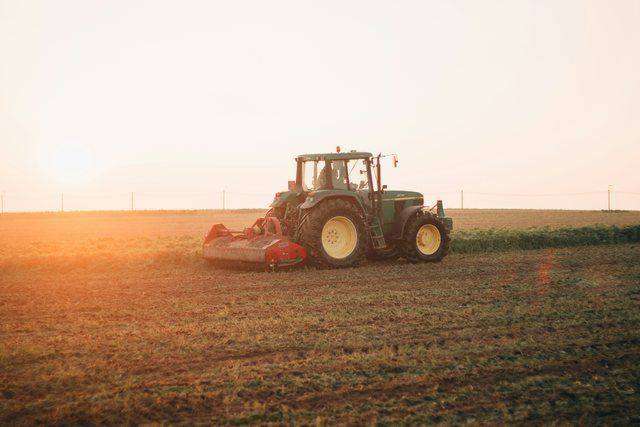
The founding work is in Ontario, and the model is built to work in any province. HQ assigns each chapter its own area, so no two chapters write to the same farm.
Read where we work