Our work
Where we work
One chapter, one assigned area. Any eligible high school in Canada can apply.
The Neighbour’s Table is a Canadian organization. The founding work is in Ontario, and the model is built to work in any province.
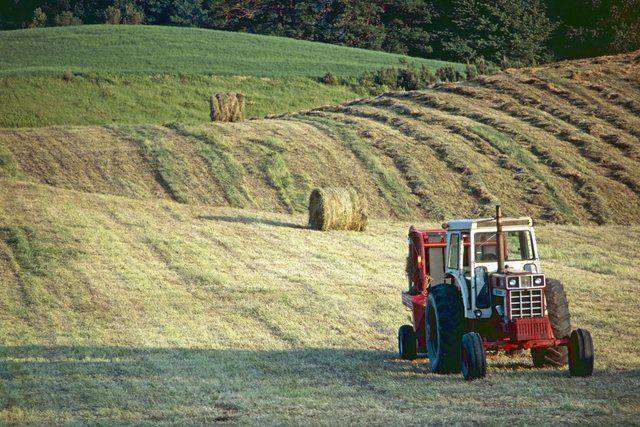
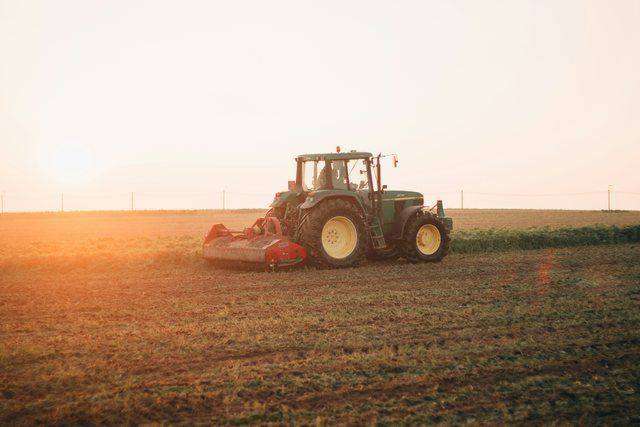
Geography is how the work is divided. HQ assigns each chapter its own area, by county, regional district, municipality or census division. The farm businesses in that area are its list, and no other chapter writes to them. Canada has 189,874 farms (Statistics Canada, Census of Agriculture 2021).
Where an organization nearby can collect, produce stays in the region it was grown in. A local food bank is named to a farm only after it confirms in writing that it can collect from that area. Otherwise the farm is given the contact of Second Harvest’s From the Farm program, a public program the farm can contact itself.
One chapter, one area.
Our work
What the organization does, how a chapter is run, and what a week inside a chapter looks like. The section is the shortest way to understand the operating model.
Our work
The model
Ask farms one question, hand every yes to an organization that collects, and record every outcome. Every chapter does all three in its own assigned area.
What we do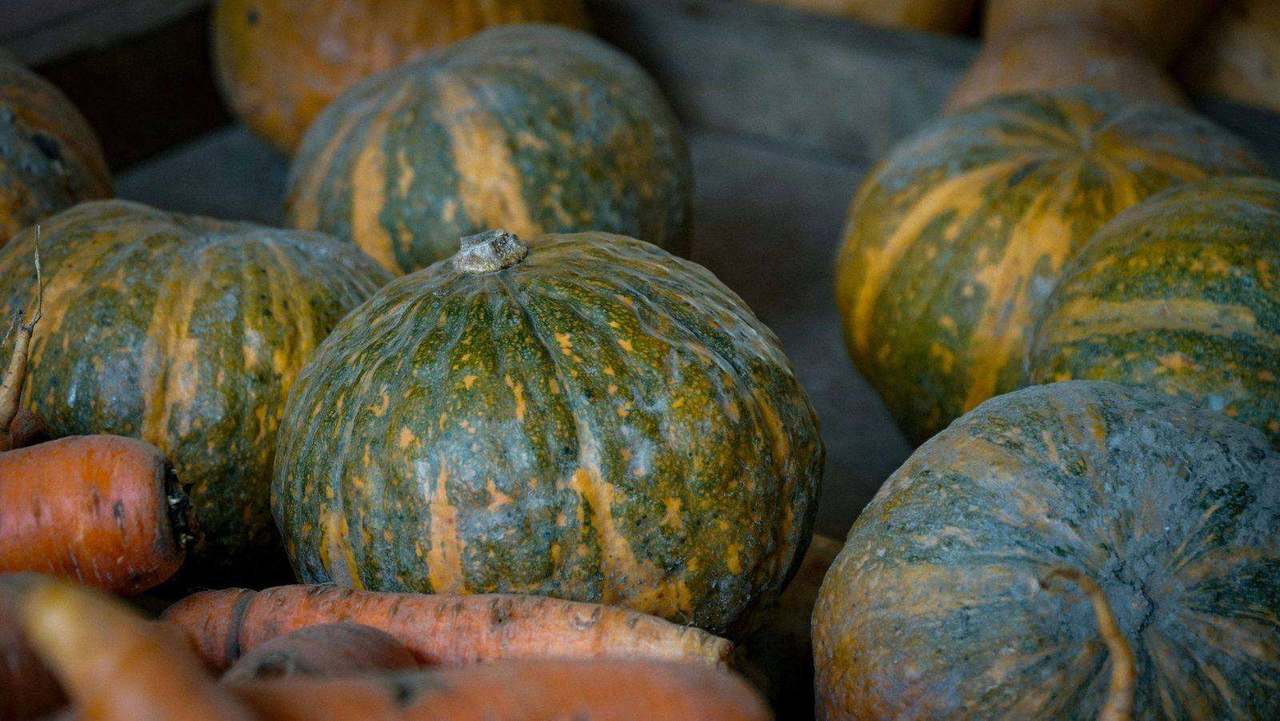
What we ask about
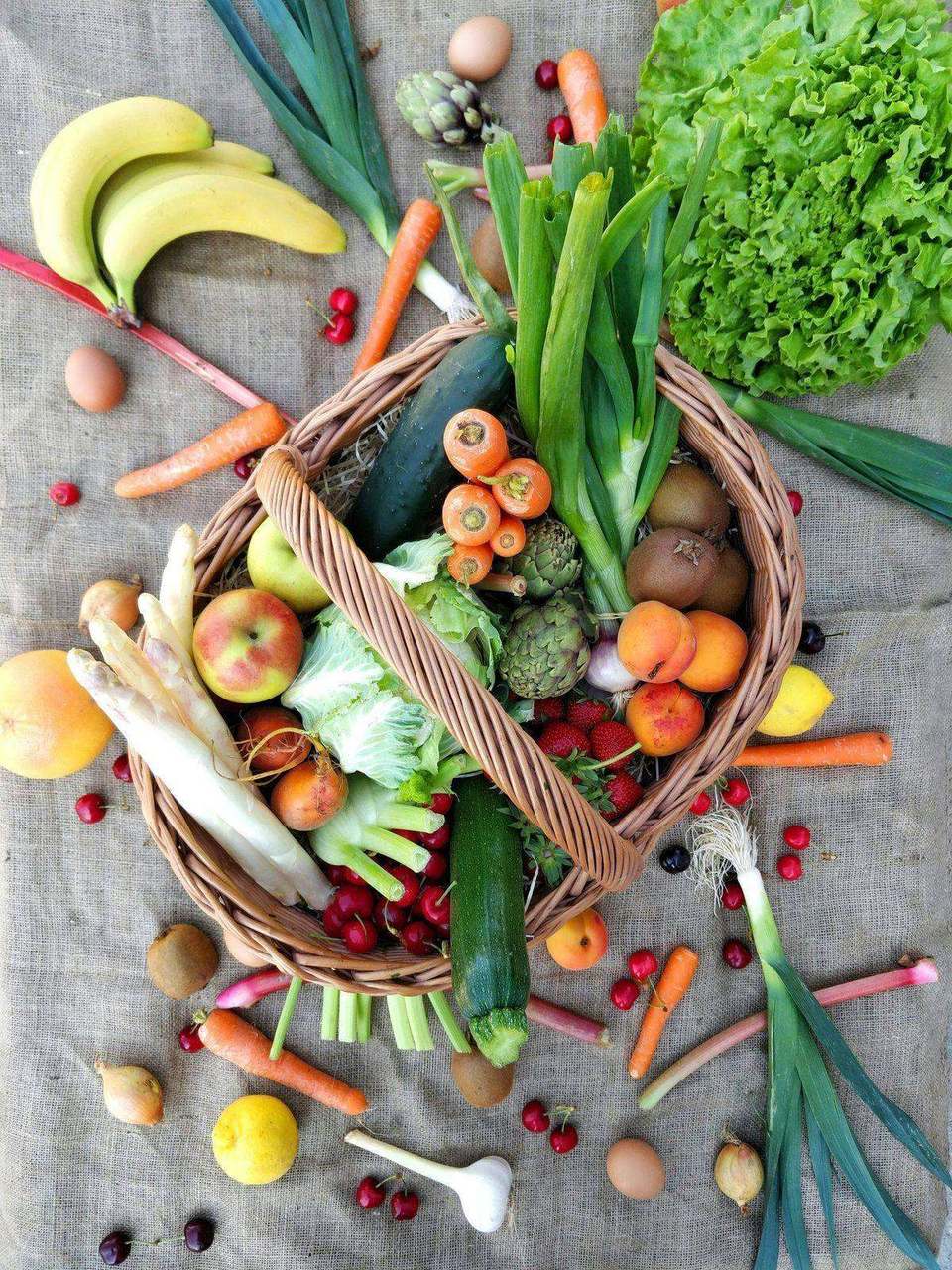
Fruit and vegetables that a farm cannot sell: grade-outs, unsold produce, overstocked produce. An estimated 13% of the fruits and vegetables grown in Canada go unharvested or are discarded after harvest (Environment and Climate Change Canada).
Surplus produce