
Our people
Life in a chapter
A chapter is a club of its own school. It meets once a week, for forty-five minutes, at lunch, with a Teacher Advisor copied on every outside message. Students ask the farms in their assigned area one question and hand every yes to an organization that collects.
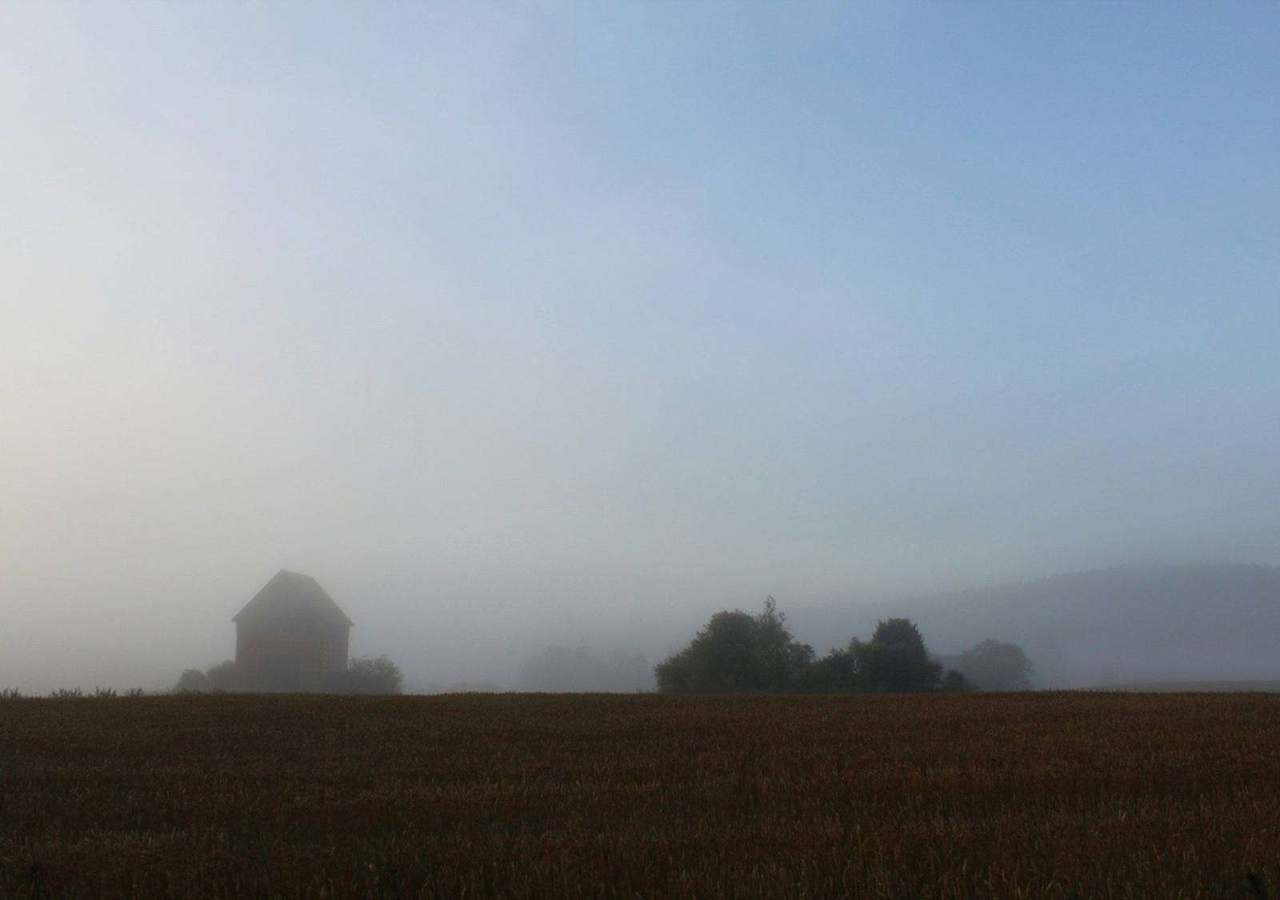
Nobody works alone. The room is a room at a school, at lunch, and the work is shared.
The session runs to a clock. Setup, the list, the template, twenty minutes of calls and emails, the editor check, the log, the close. Then it ends.
Students work in pairs. One drafts from the template, one checks, and they swap every few farms. Calls are made in the same room, to published farm business lines, by students who have chosen to make them, with another member present.
Twenty minutes is the part that matters.
Every email is read by the Outreach Editor before it is sent. Every one. Every email has the same subject line, “A question about surplus produce this season”, and asks one question: “Do you have surplus or grade-out produce this season that you cannot sell?” It is signed with the sender’s first name and last initial, the chapter, the school’s street address and the school email account, and it ends with the STOP line.
Volume has a limit. No chapter sends more than 40 first contacts in a week. That is a ceiling, not a target.
The Neighbour’s Table is a student-run nonprofit. Chapters at Canadian high schools ask farms one question, whether they have produce they cannot sell, and hand every yes to a food bank or food rescue organization that collects it with its own vehicle. Students never handle food, never travel to farms and never hold money.
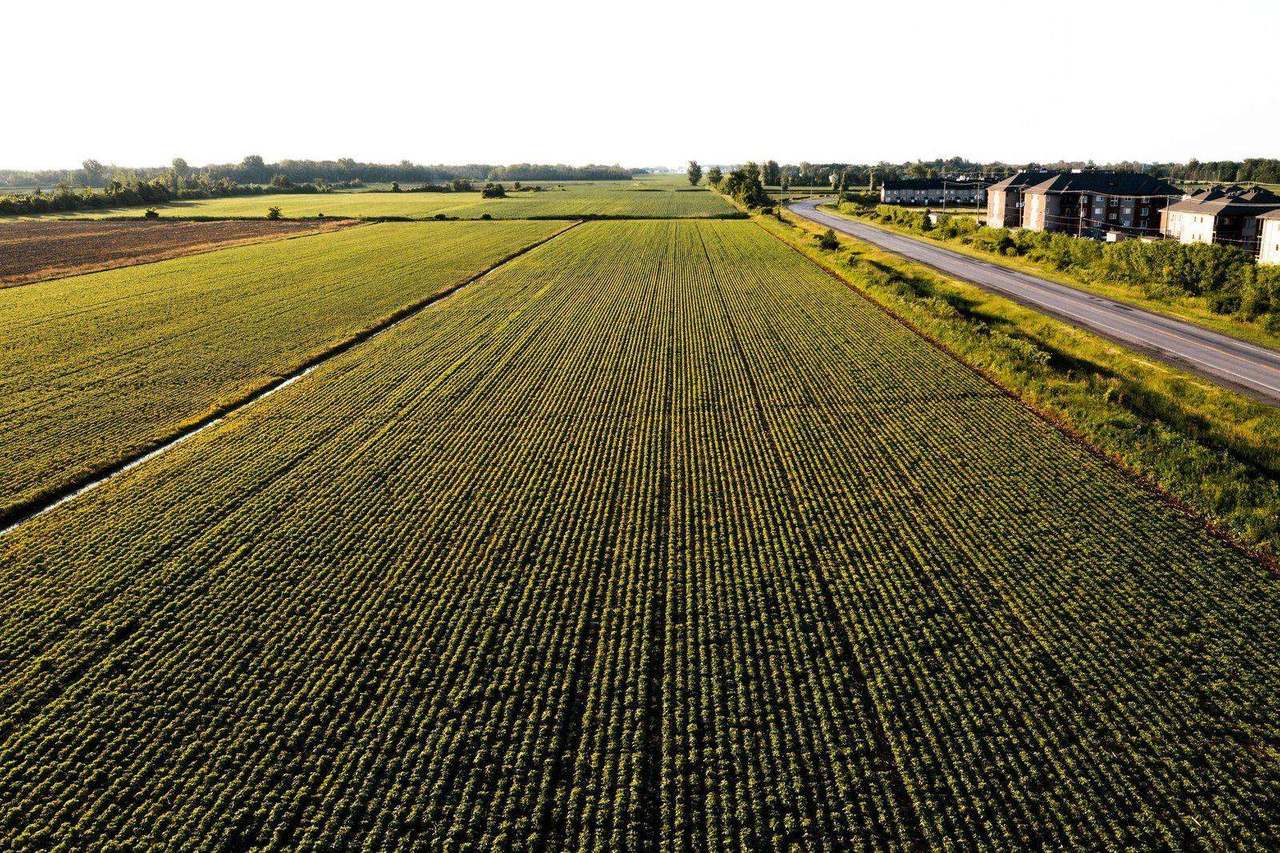
How we work
The Neighbour’s Table, in short
Everyone records their own outcomes during the session, not afterwards. The Records and Hours Clerk walks the room while it happens, so every contact and every outcome is written down the same week it occurs.
This is the work that narrows the distance between a field and a food bank. UN Sustainable Development Goal target 12.3 commits the world to reducing food losses along production and supply chains by 2030.
What a week actually costs you
Forty-five minutes in the room, once a week at lunch, and nothing outside it. The session is not homework. That is all it asks, and it is deliberately small enough that a student carrying five courses can hold it without dropping anything else.
What makes it work is that the session is structured. Nobody arrives wondering what to do. The Chapter Lead holds the timer, the List Builder brings the farms, the Outreach Editor has the template ready, and the Follow-up Clerk knows which farms are due their single follow-up. The Records and Hours Clerk closes the record before anyone leaves the room.
Nobody in this organization is paid, and that is the point rather than an apology: every hour in it is chosen. What a chapter asks for instead is reliability. The same people, the same room, the same forty-five minutes, week after week, because a grower who answers in March remembers who wrote to them in January.
What a chapter reports each month
- First contacts
- Follow-ups sent
- Replies
- Yeses
- Introductions made
- Collections confirmed by the receiver
- STOPs
- Complaints
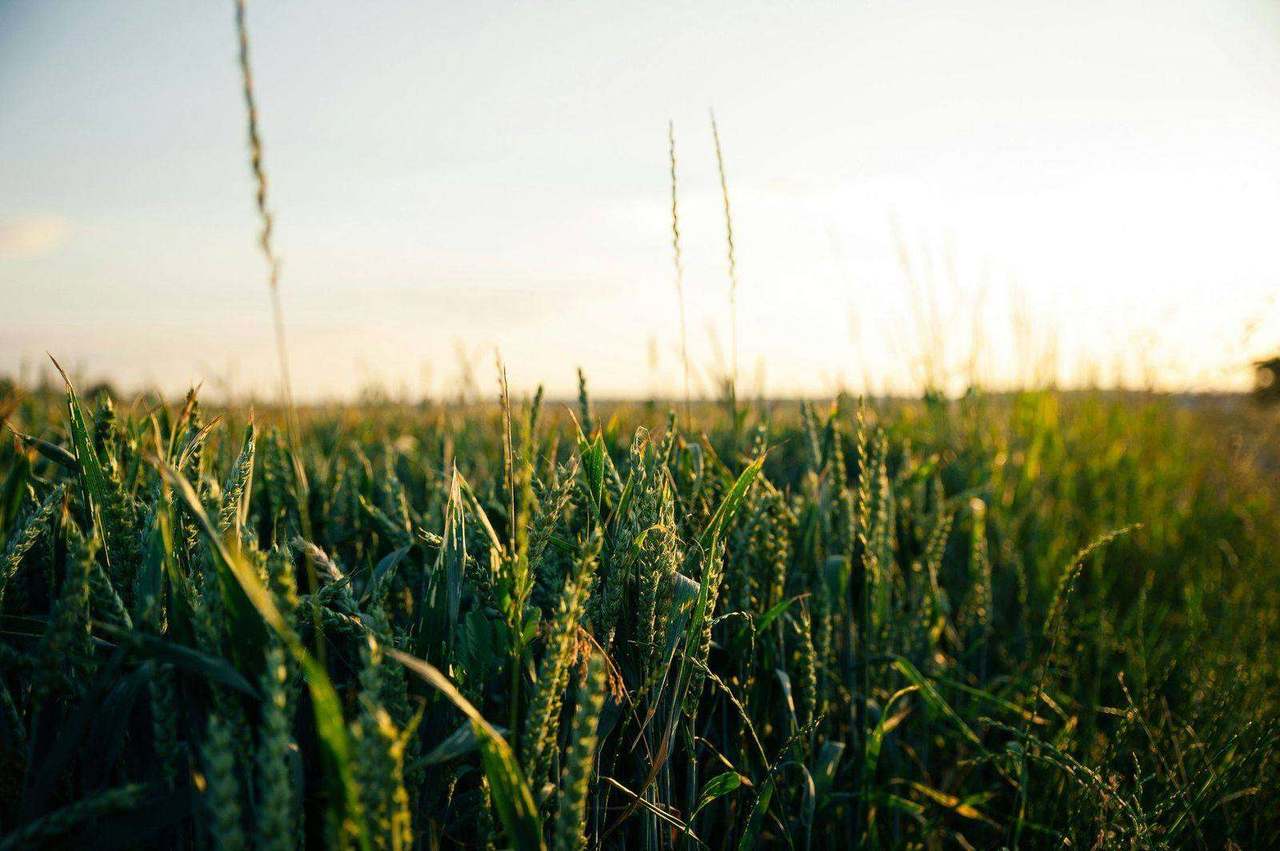
8.8 Mt
8.8 million tonnes of edible food is wasted in Canada every year, according to Second Harvest and Value Chain Management International (2024). A chapter’s work starts from that fact.
The session, minute by minute

The session
Forty-five minutes, once a week
A chapter meets at lunch, in a room at its own school. The target size is 8 to 12 students, and a chapter may start with 4. Nobody works alone and nobody visits a farm. The session is forty-five minutes and it ends on time. If the weekly session is on the calendar and it happens, the chapter is working. Everything else, the list, the template, the records, follows from that one fixed session in the week. It is a standing session, not a one-off shift.
The session
Forty-five minutes, once a week
Once a week

The setup
The first five minutes, and three things on the board
The Chapter Lead starts the timer. The Deputy Lead writes up the count and the area being worked.
Last week’s count, this week’s farms, the area being worked. Three things, in that order, where everyone can see them. It takes about two minutes and it is the difference between a session that starts and a session that drifts. The Chapter Lead holds the timer from the first minute.
The setup
The first five minutes, and three things on the board
Setup
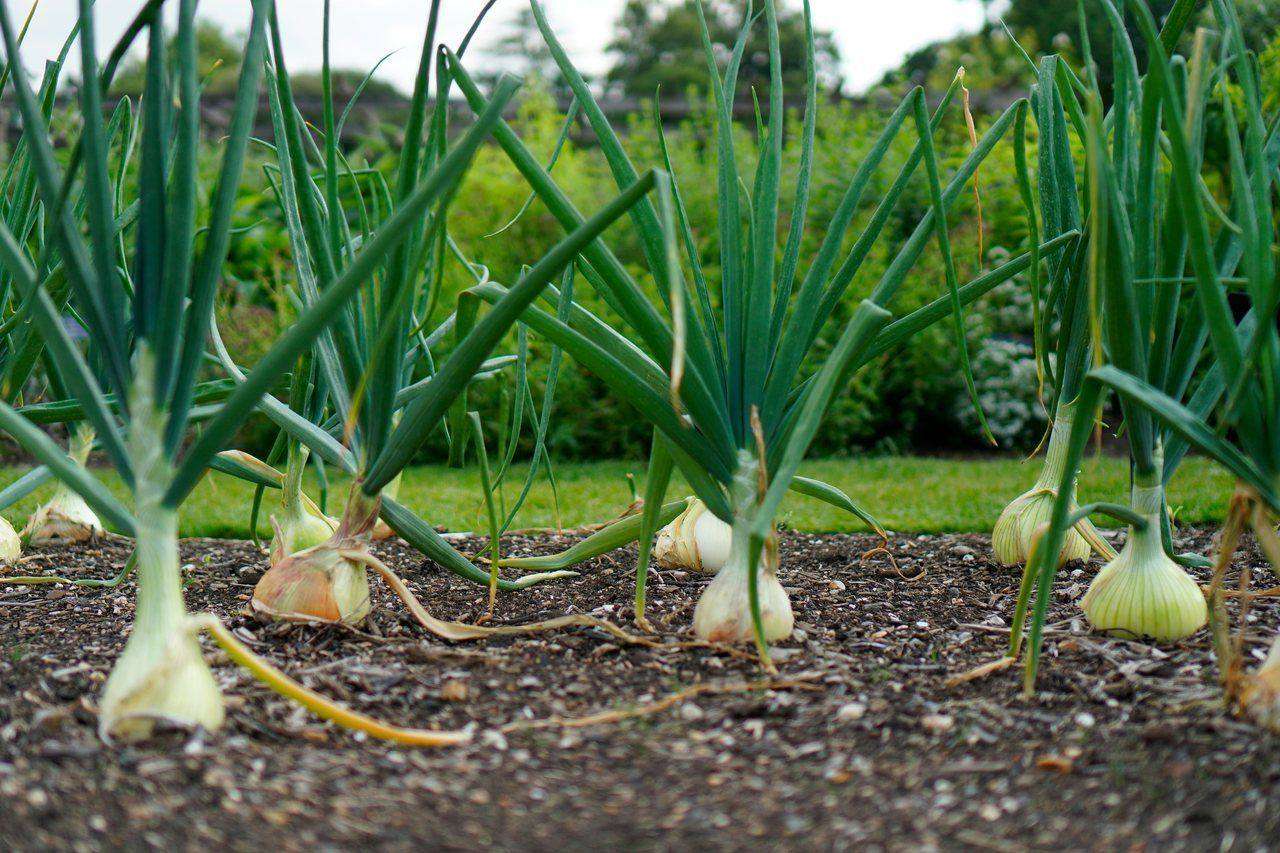
The list
Five to eight
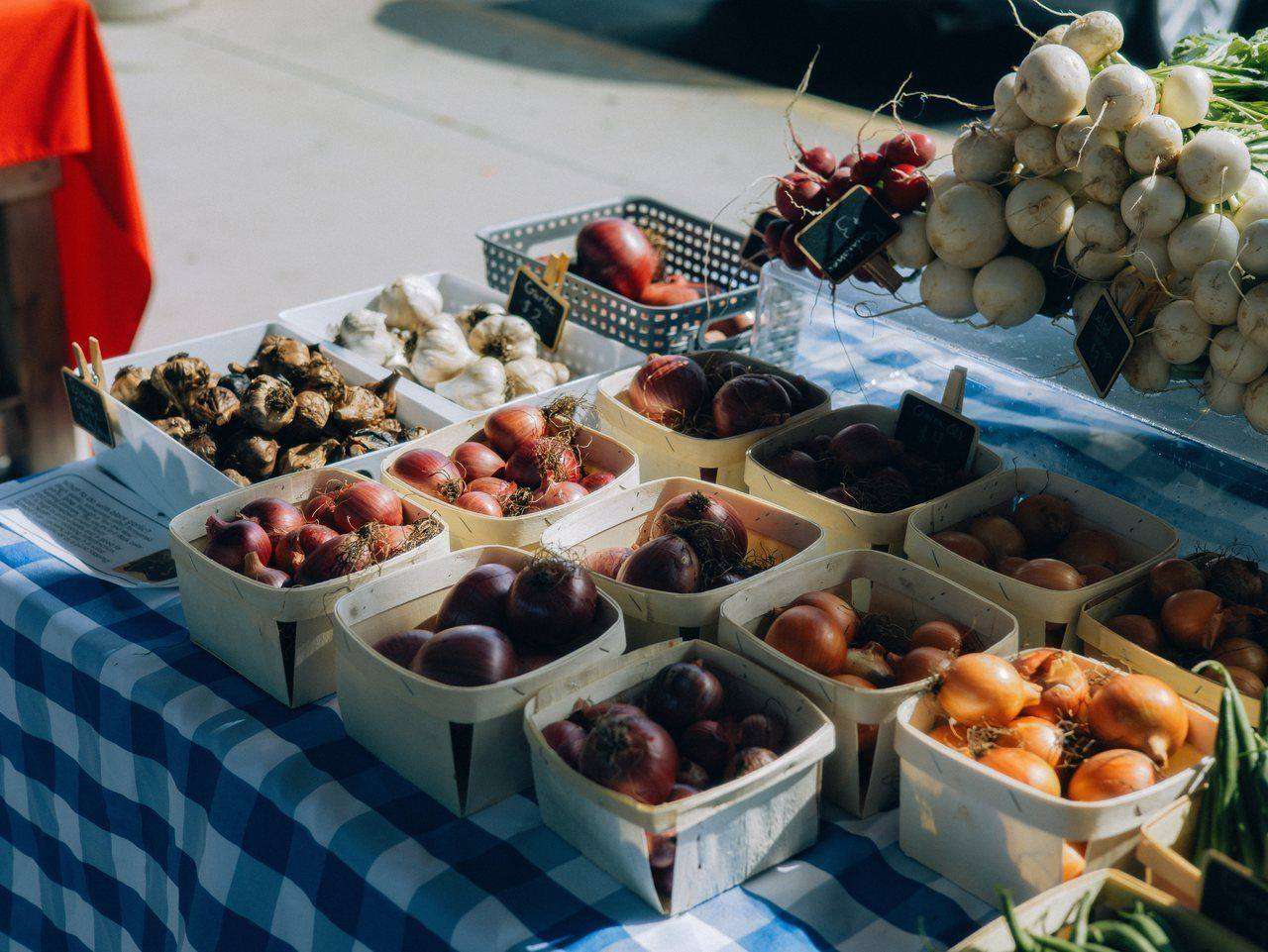
Each pair gets a named slice of the chapter’s farm list.
No overlap, because two pairs contacting the same farm is an avoidable error. The List Builder reads the split out loud so everyone hears which farms are theirs, and nobody has to ask later.
The list
Five to eight
No two pairs contact the same farm
The email template
Eight to twelve minutes
The Outreach Editor reads out the template: the subject line, the one question (Do you have surplus or grade-out produce this season that you cannot sell?), the signature with the school’s street address, and the STOP line. Nothing else goes in.
One question per email and nothing else. A grower reads it between jobs, so the email is short, exact and easy to answer.
The email template
Eight to twelve minutes
One question. Nothing else.
The pairs
Twenty minutes. The ones that matter
Pairs draft each email from the template, one drafting and one checking, swapping every few farms. Calls happen in this window, to published farm business lines, from the room, by students who have chosen to make them, with another member present.
Nobody works alone. The room should be noisy, and a quiet room in that twenty minutes usually means the list ran out.
The pairs
Twenty minutes. The ones that matter
Nobody works alone. The room is noisy.
The check
Every email, every time
Every email is read by the Outreach Editor before it is sent. Every one. Then the pair sends it from the school email account, with the Teacher Advisor copied.
The check
Every email, every time
Always

The log
Logged now, not later
Everyone records their own outcomes before the close, not at home and not next week. The Records and Hours Clerk walks the room while it happens. Every farm contacted and every outcome goes into the farm record the same session. A chapter that keeps its record current can tell you exactly which farms it has written to, what each one answered and which organization each yes was handed to. That is the difference between a record and a recollection.
The log
Logged now, not later
Now
The close
Ending on time
The Chapter Lead reads the final count out loud, names anyone who got a reply, and gives the date and room for next week. Then the session ends on time. Ending on time is worth more than anything you could say in the extra three minutes.
Everyone records their own outcomes in the five minutes before that, not later.
The close
Ending on time
Sharp
What it takes
Forty-five minutes in the room each week, at lunch. The session is not homework. Members are unpaid.
Join the team