About us
How we work
Student-run chapters, each asking the farms in its own assigned area one question.
The Neighbour’s Table asks Canadian farms whether they have produce they cannot sell and hands every yes to a food bank or food rescue organization that collects it.
The work happens at school, at lunch, under a Teacher Advisor. Students in each chapter build and maintain a list of farm businesses in their assigned area and ask each farm whether it has produce that is surplus to what it can sell: food that will not reach a buyer and would otherwise be disced back into the field, which means ploughed under where it grew.
Every farm that says yes is given the published contact of an organization that collects with its own vehicle. The default is Second Harvest’s From the Farm program, which publishes free farm pickup across Canada. Members record every contact and every outcome, and that record is what a chapter runs on.
The food already exists.
Step one
Ask
8.8 million tonnes
of edible food is wasted in Canada every year. Second Harvest and Value Chain Management International, 2024.
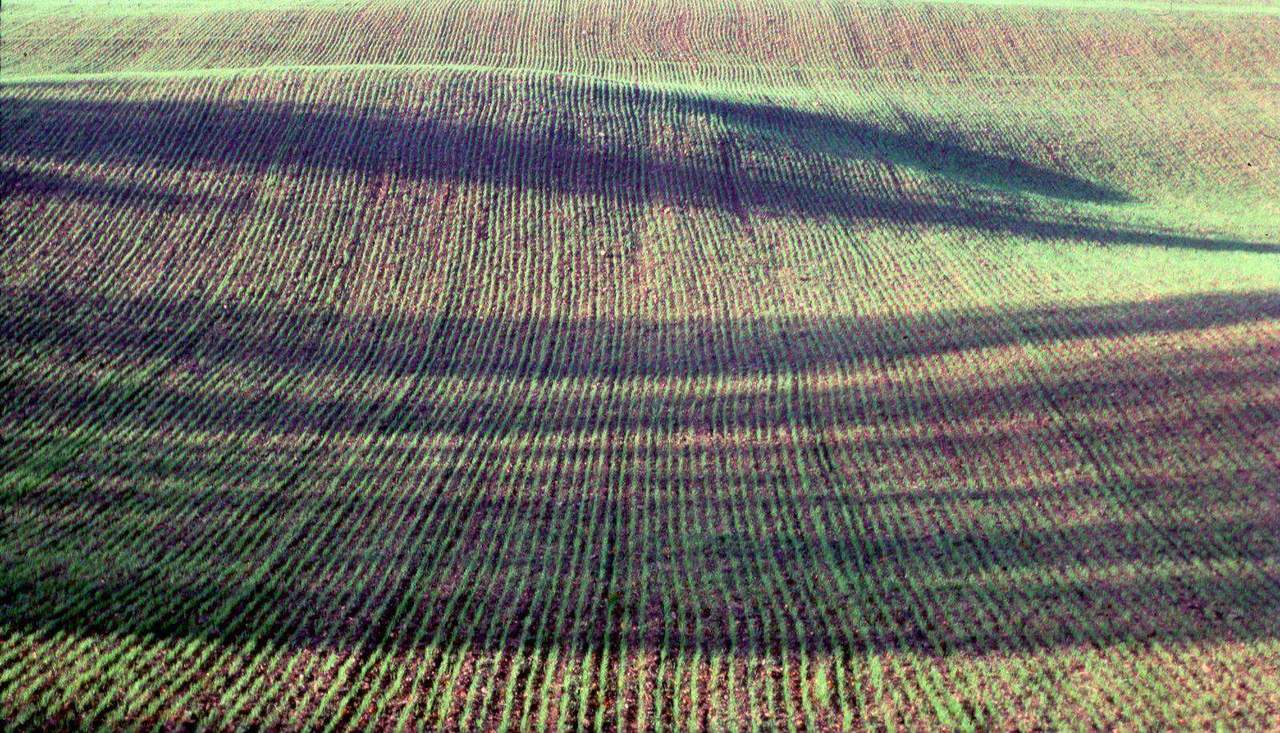
A session is 45 minutes, once a week, at lunch, in pairs. Pairs draft each email from the template, and the Outreach Editor reads every one before it is sent. No chapter sends more than 40 first contacts in a week. One question per message and nothing else: does the farm have produce it cannot sell. Every farm and every answer goes into the record. One follow-up, about two weeks later, catches emails that were missed in a busy week.
Step two
Introduce
Close to 2.2 million
Food banks in Canada recorded close to 2.2 million visits in March 2025. Food Banks Canada, HungerCount 2025.
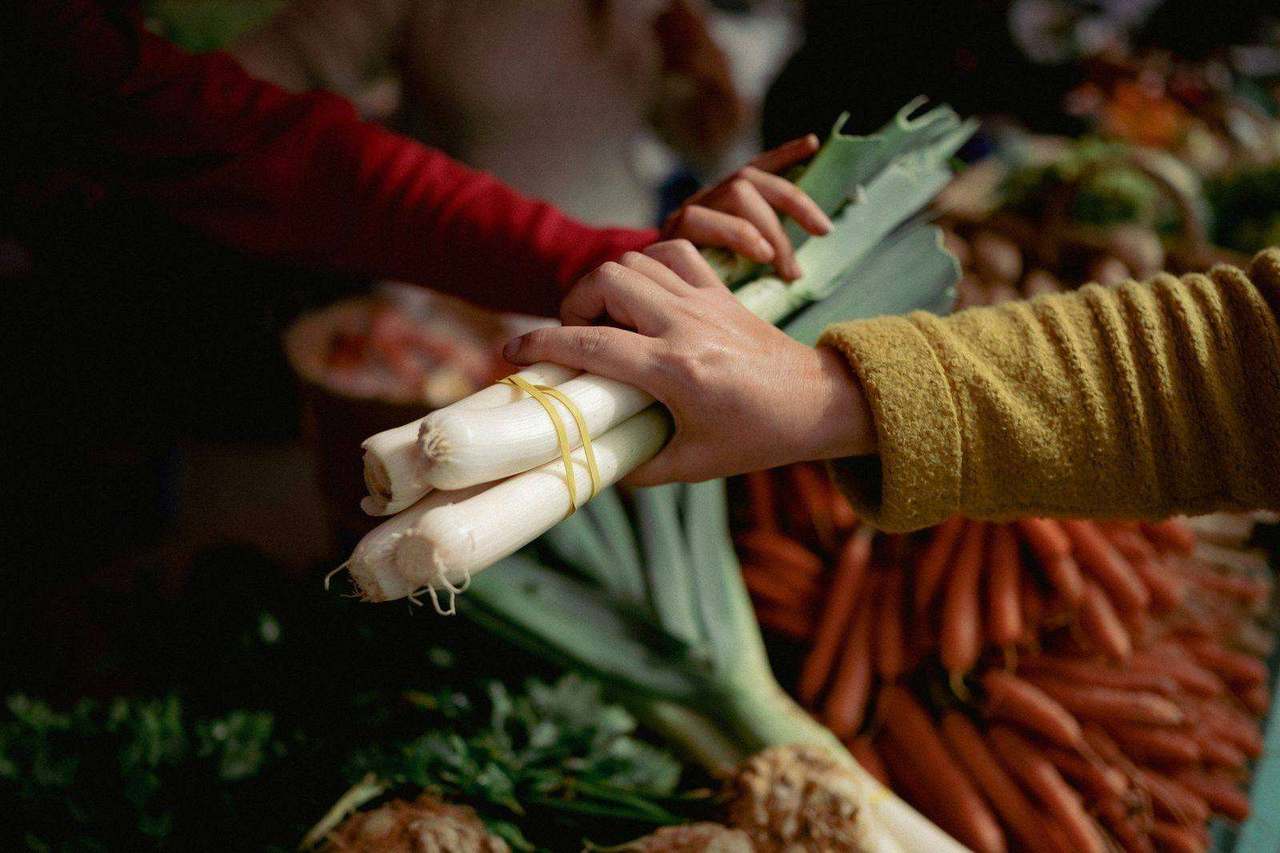
Every yes is handed to an organization that collects with its own vehicle. A local food bank is named to a farm only after it confirms in writing that it can collect from that area. The chapter records the outcome, so the next season starts from a real position rather than a guess.
Step three
Record it
13%
An estimated 13% of the fruits and vegetables grown in Canada go unharvested or are discarded after harvest. Environment and Climate Change Canada.
That figure comes from Environment and Climate Change Canada. A chapter records every farm it contacts and every outcome, so that each season starts from what the last one learned.
The goals
The operating model is aligned to three UN Sustainable Development Goals:
- Goal 12: Target 12.3 commits the world to halving food waste at retail and consumer levels and reducing food losses along production and supply chains by 2030.
- Goal 2: End hunger, achieve food security and improved nutrition and promote sustainable agriculture.
- Goal 13: Take urgent action to combat climate change and its impacts, including on food waste.
Two things keep the model the same in every region:
- Chapters: Each one runs the same operating model in its own assigned area, under its own Chapter Lead and Teacher Advisor.
- Records: Every farm contacted and every outcome, kept so the next season starts where this one finished.
Run it at your school
Every chapter runs the same model: one weekly session at lunch, one farm list for its assigned area and one record of every contact. If your school has no chapter yet, this is what you would be starting.
Start a chapter