Our work
Landfill and methane
Landfills are a large source of Canada’s methane emissions, according to the Government of Canada.
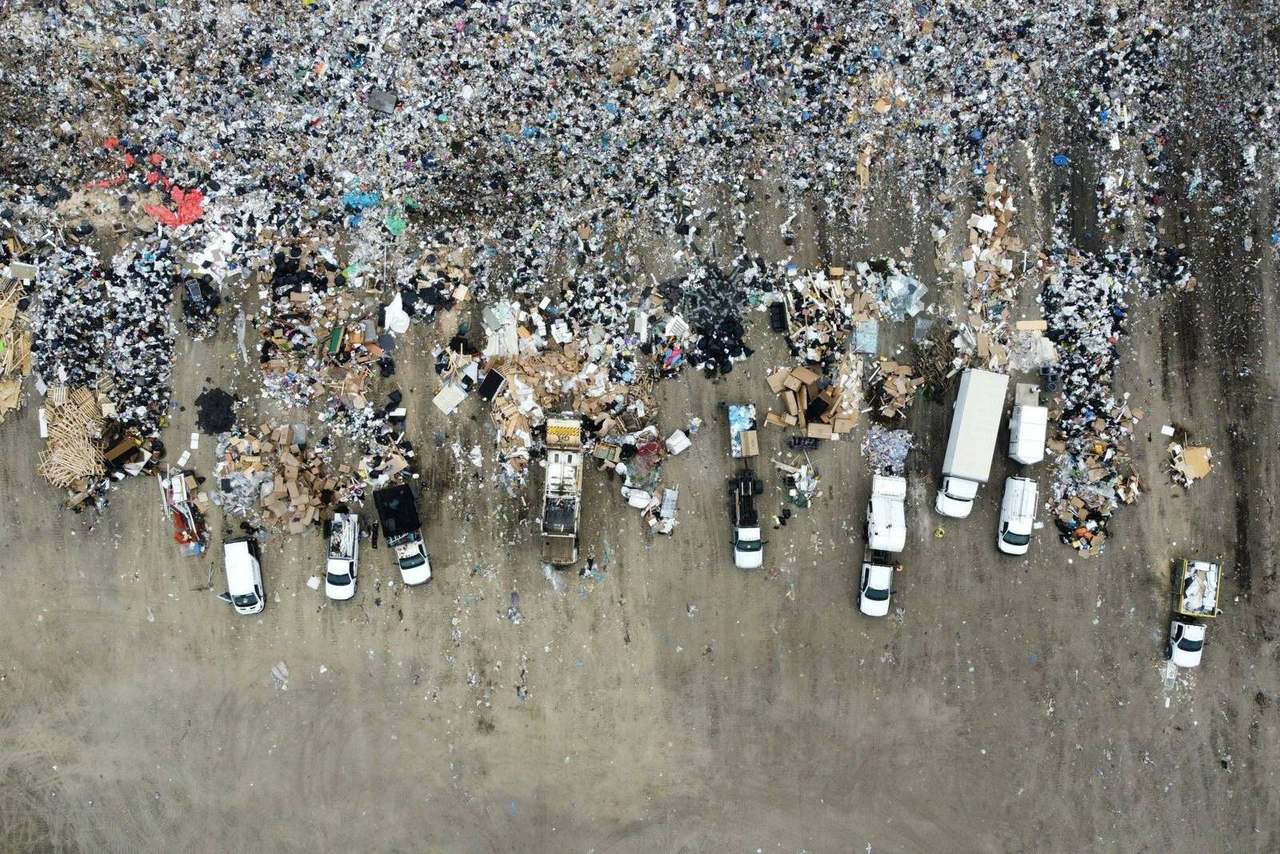
Food that goes to landfill does not just disappear. It breaks down without oxygen and releases methane, a greenhouse gas far more potent in the short term than carbon dioxide.
The Government of Canada identifies landfills as a large source of the country’s methane emissions, and has set out Landfill Methane Regulations to reduce them. Globally, the UN Environment Programme’s Food Waste Index Report 2024 identifies food loss and waste as a significant source of greenhouse gas emissions. The Government of Ontario reports that the province’s waste sector is a significant source of greenhouse gases too.
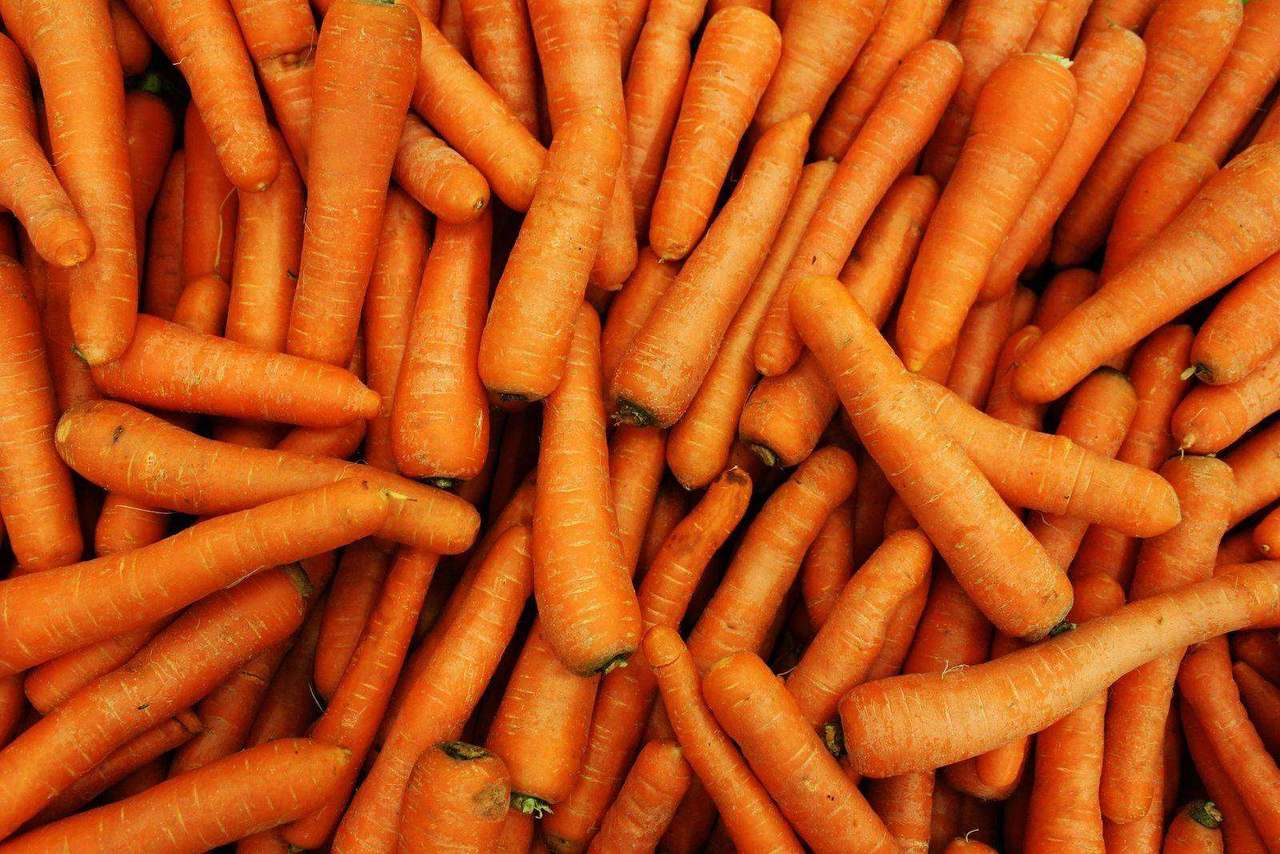
Organic waste makes up a large share of what goes into an Ontario household’s garbage, according to the Association of Municipalities of Ontario. Produce that a farm hands to a food bank never enters that stream at all.
Landfill is the problem.
Our work
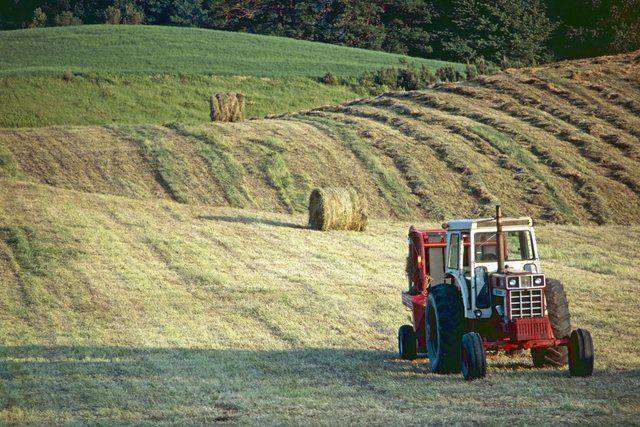
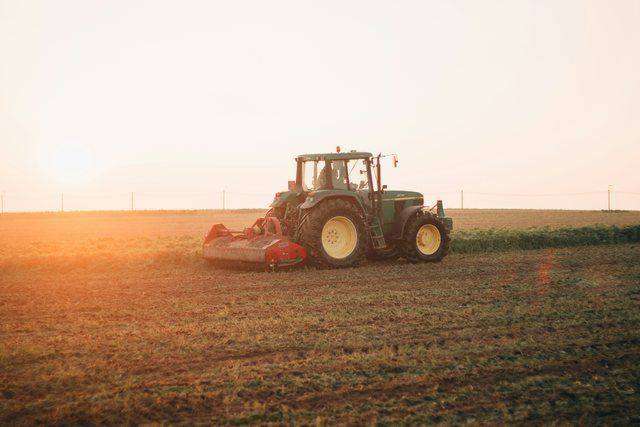
Asking farms about surplus produce, and handing every yes to a food bank, is climate work as well as hunger work. The section sets out what the organization does and how each chapter runs.
Read our work
Climate action
UN Sustainable Development Goal 13 commits the world to urgent action on climate change. Food sent to landfill fed nobody and warmed the planet on the way out. Both facts are the same fact.
Read what we do
Surplus produce
Much of what Canadians throw away could have been eaten, according to the National Zero Waste Council.
Read surplus produce