Guide
6 min read
A week inside a chapter, from the first email to the first yes
One chapter, one week, from the farm list to every yes handed to a food bank.
Farm by farm, one question at a time.
A chapter meets once a week, at lunch, at its school. The Chapter Lead opens the session and reads out where the week starts: the farms contacted last week, the replies that came back, and the farms that come next. The Records and Hours Clerk keeps the record. Everyone in the room knows which part of the list is theirs before anyone writes a word.
The List Builder reads out how the assigned area is divided. Every pair takes a named slice of the farm list, and no two pairs hold the same farm. Canada has 189,874 farms, according to Statistics Canada’s Census of Agriculture 2021, so there is always more list than there is week.
8.8 million
tonnes of edible food is wasted in Canada every year. Second Harvest and Value Chain Management International, 2024.
The Outreach Editor reads out the template before anything goes out. The subject line is always “A question about surplus produce this season”. The email asks one question: “Do you have surplus or grade-out produce this season that you cannot sell?” The signature carries the sender’s first name and last initial, the chapter, the school’s street address and the school email account. The last line is the STOP line: “If you would rather not hear from us again, reply with the word STOP and we will not contact you again.” Nothing else goes in.
One question
One question and nothing else: no link, no attachment, no request for money. A grower who reads a clear question can answer it in a line. Every email goes from the school email account, with the Teacher Advisor copied.
The centre of the week is the work itself. Pairs draft each email from the template, one drafting and one checking, and they swap every few farms so nobody carries a section alone. Calls go only to published farm business lines, made from the room by students who want to make them, with another member present. Most of the session is quiet: reading a farm’s own description of what it grows, finding its published business contact, and getting its name right. The list is not a spreadsheet of strangers by the end of a term. It is an area the chapter knows.
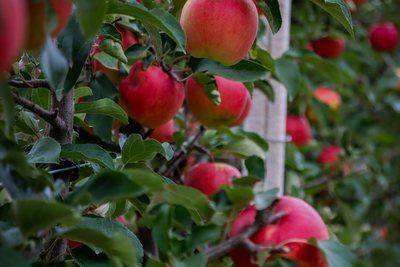
Before anything is sent, the Outreach Editor reads every email. Every one. The checks are fixed and they do not change from week to week: the farm’s name is right, the address was published by the farm business, the subject line and the question are exactly as written, and the school’s street address and the STOP line are there. A grower whose fruit is the wrong size for a supermarket shelf did not grow waste. They grew food that a buyer’s specification turned down, and the point of a chapter is that someone asks about it.
Then everyone records their own outcomes, in the room, while the session is still running. The Records and Hours Clerk walks the room while it happens. A record written three days later is a guess.
The close
At the close the Chapter Lead reads the week’s count aloud, names anyone who heard back from a farm, confirms the room for next week, and ends on time. Ending on time is a practical decision. A session that runs long once runs long every week, and a chapter that runs long in September has fewer students in the room by November.
A ceiling
No chapter sends more than 40 first contacts in a week. That is a ceiling, not a target. A chapter works its assigned area slice by slice through the autumn, and every chapter follows the same rules.
The work is the same in a first term as in a fourth: a list, an area, one question, and a record of every answer.
Everything in that room is a laptop, a list of farms, and a week that comes round again.
Six roles sit in that room: Chapter Lead, Deputy Lead, Outreach Editor, List Builder, Follow-up Clerk and Records and Hours Clerk. A new chapter starts with the first three and adds the rest as people arrive. Every role is held by a student, every student is unpaid, and each role is a standing one rather than a shift someone signs up for once. Students run the session, and the Teacher Advisor is copied on every message that leaves it.
When a lead is away
If the Chapter Lead is away, the Deputy Lead runs the session. If both are away, the Outreach Editor runs it. If none of the three is there, the session still happens for list building and records, and no email is sent until the Outreach Editor has read it.
One follow-up only
A Follow-up Clerk sends the single follow-up on day 14 and closes the record. One only, and then the chapter stops. One follow-up, about two weeks later, catches emails that were missed in a busy week. Growers are busy in season. A follow-up that arrives once, at the right distance, reads as professional.
A yes never waits. In the same session the chapter gives the farm the published contact of an organization that collects with its own vehicle, such as Second Harvest’s From the Farm program, and records the outcome. A local food bank is named to a farm only after it has confirmed in writing that it can collect from that area. The farm arranges the pickup directly.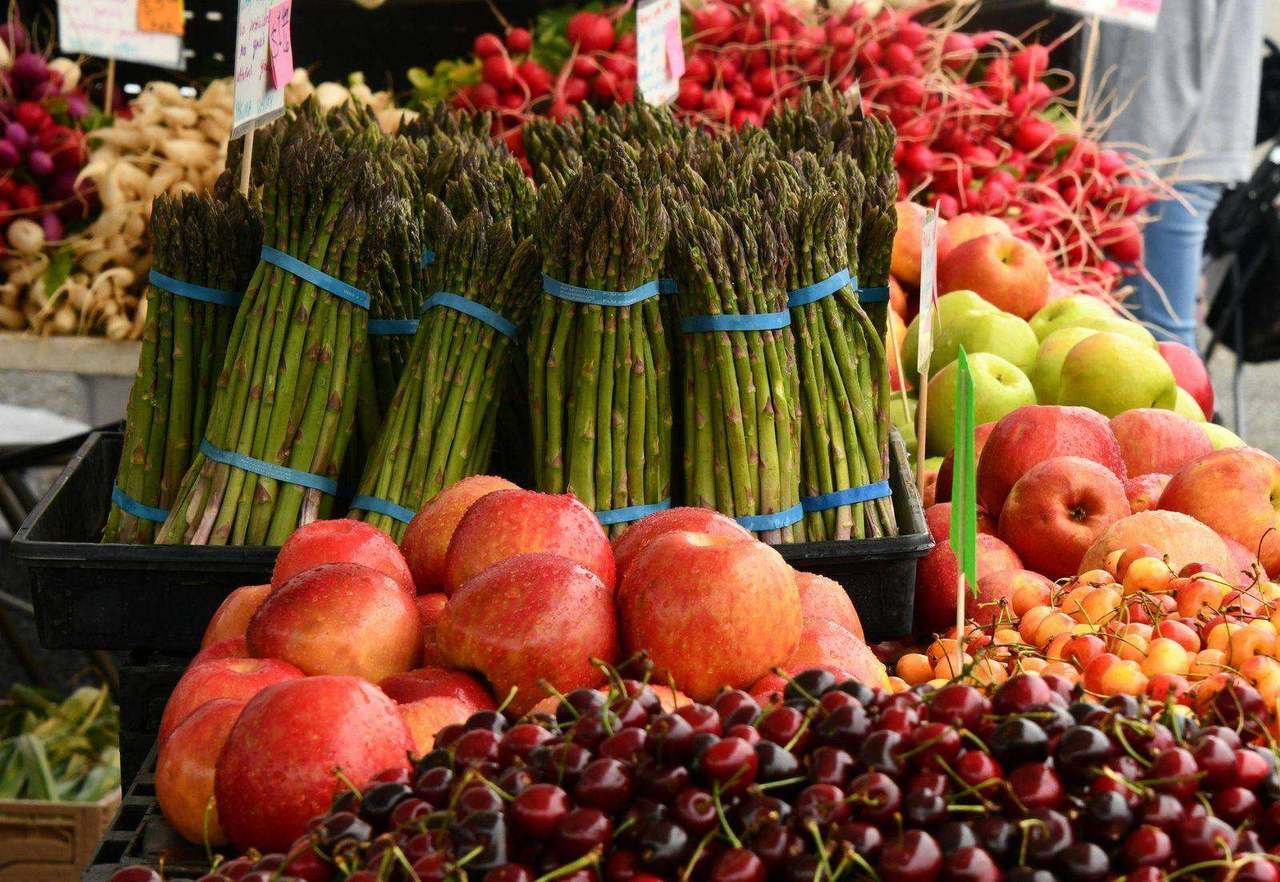
Speed matters because produce has a season and a shelf life. A yes in August is worth little if it is passed on in October. The work sits under UN Sustainable Development Goal 12.3, which commits the world to halving per capita global food waste at the retail and consumer levels and reducing food losses along production and supply chains by 2030.
The number that matters is not emails sent. Every count a chapter keeps has its denominator: first contacts, follow-ups sent, replies, yeses, introductions made, and collections the receiving organization confirms. Each one is recorded by the chapter that did the work.
Scale comes from repetition. One chapter works one assigned area. A second chapter works another. That is the argument for chapters: the model does not need to be bigger in one place, it needs to be in more places.
What holds a chapter together through November is the same thing that starts it in September: a fixed time, a room, and work that visibly adds up. The count on the board goes up every week. Students come back because the farm list keeps filling in.
So a week at The Neighbour’s Table is a room, an assigned area, a list of farms and one question. A great deal of edible food is wasted in Canada, and 24.0% of people in Canada lived in a food-insecure household in 2025, about 9.8 million people (PROOF, University of Toronto, 2026). The food already exists. A chapter works on the distance between those two facts, one farm at a time.
Produce that would otherwise be turned back into the field can instead be collected by a food bank, and a student with a laptop and a list can be the one who asks. This is what a chapter is for.