Research
6 min
Canada grows enough food. The problem is distribution, not production.
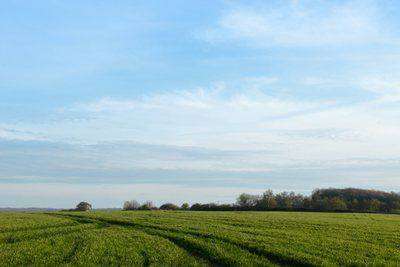
Canada has 189,874 farms (Statistics Canada, Census of Agriculture 2021). 24.0% of people in Canada lived in a food-insecure household in 2025, about 9.8 million people (PROOF, University of Toronto, 2026). Both of those facts are true at once.
Statistics Canada counted the farms in the 2021 Census of Agriculture. PROOF at the University of Toronto published the household figure in 2026. Nobody is disputing either number.
8.8 million tonnes of edible food is wasted in Canada every year. Second Harvest and Value Chain Management International, 2024.
Canada is one of the largest food producers on earth. It has the farms and the harvest, and it throws away a large share of its food while many households cannot reliably afford to eat.
The food exists. The distance between the field and the table is the problem, and closing that distance is work that can be done now, with produce that has already been grown and is already sitting on a farm.
The Neighbour’s Table
On the central contrast
What Canada grows
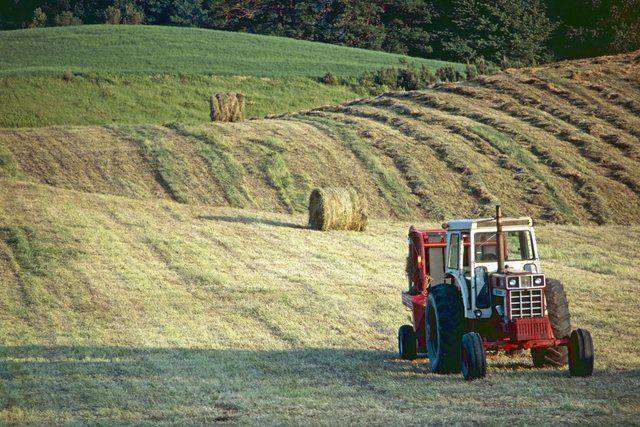
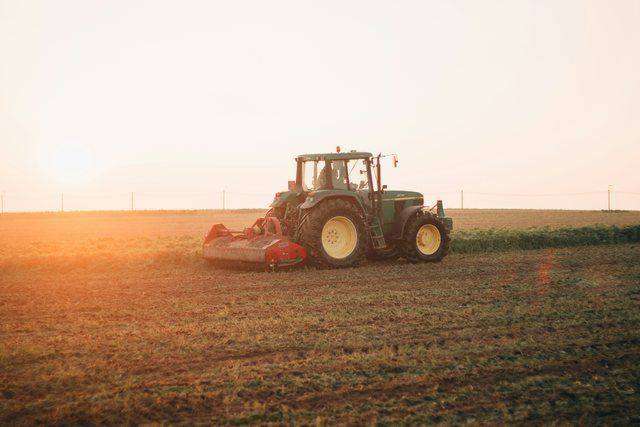
Ontario has more farms than any other province, and a large share of the country’s cultivated vegetable area is in Ontario.
Statistics Canada publishes both the farm counts and the vegetable area.
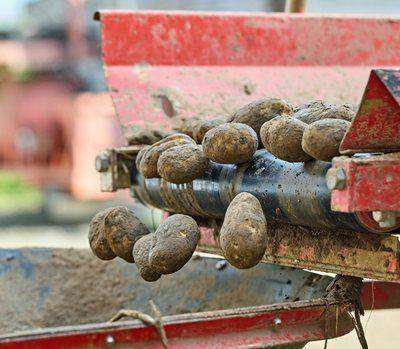
An estimated 13% of the fruits and vegetables grown in Canada go unharvested or are discarded after harvest, according to Environment and Climate Change Canada citing Value Chain Management International. That is not a failure of growing. It is what happens when a contract falls through or a buyer’s specification changes.
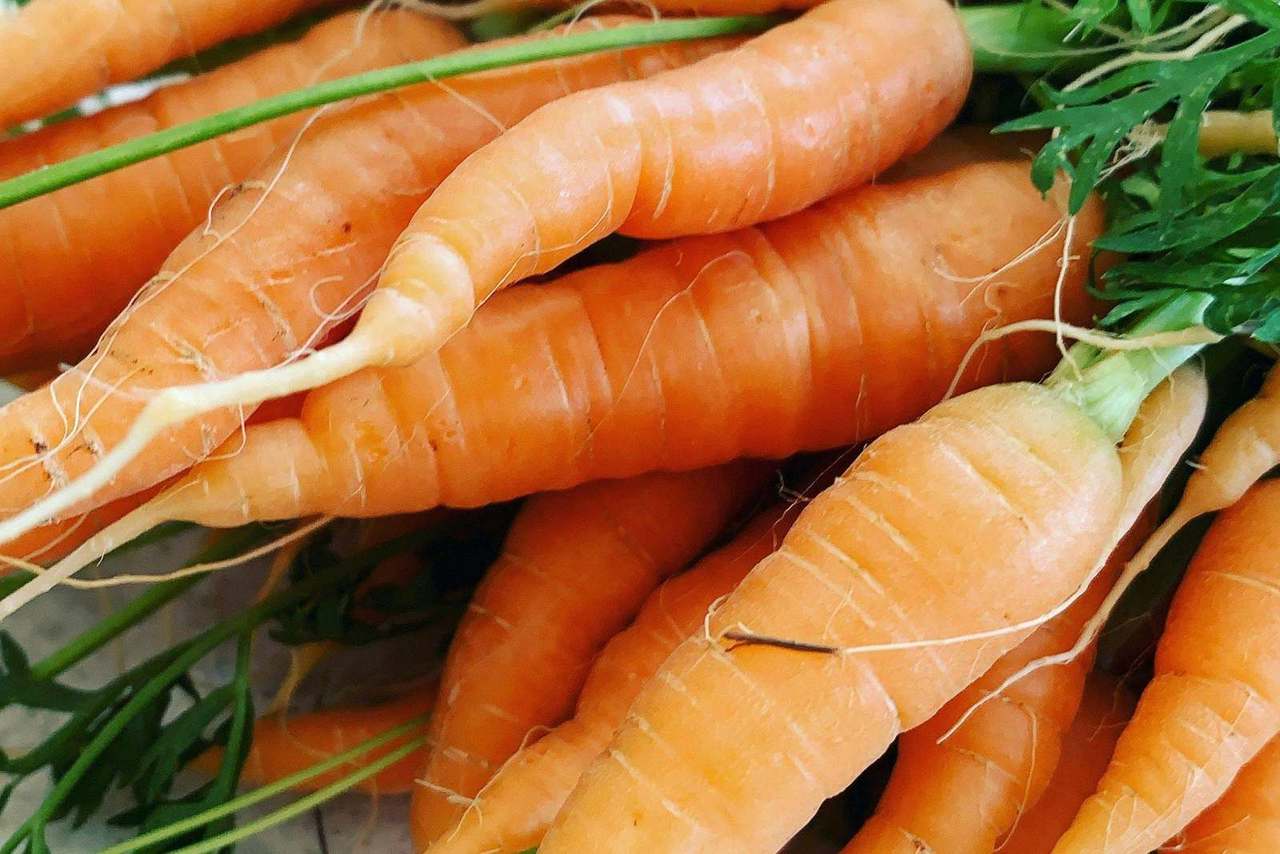
Fruit and vegetable production
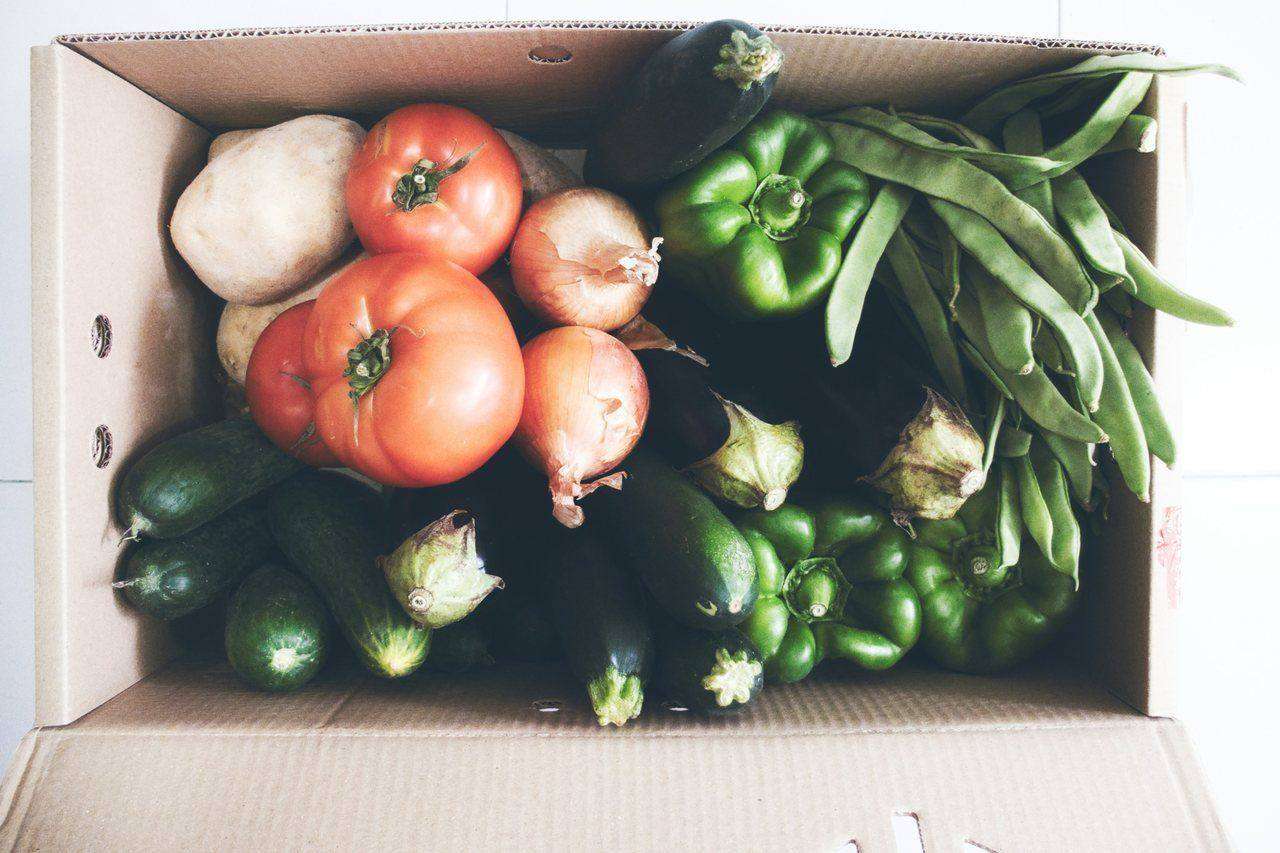
The produce is edible, already grown and already on a farm. Whether it reaches a person or a landfill is decided by distribution, and distribution is a problem that first contact with a farm can start to solve.
Food bank visits in March 2025 were 99.4% higher than in March 2019, nearly double. Food Banks Canada, HungerCount 2025. Food banks in Canada recorded close to 2.2 million visits in March 2025. Food Banks Canada, HungerCount 2025.
An estimated 13% of the fruits and vegetables grown in Canada go unharvested or are discarded after harvest (Environment and Climate Change Canada). 8.8 million tonnes of edible food is wasted in Canada every year (Second Harvest and Value Chain Management International, 2024).
At the same time, 24.0% of people in Canada lived in a food-insecure household in 2025, about 9.8 million people (PROOF, University of Toronto, 2026).
The Neighbour’s Table
The numbers, together
Why distribution, and not production, is the thing to fix
Nothing in these numbers says Canada needs to grow more. The country already grows enough. What it does badly is get edible food from where it is surplus to where it is needed, in the season it exists.
Three UN Sustainable Development Goals describe the same problem from different sides:
-
Goal 2, Zero Hunger: end hunger and achieve food security by 2030.
-
Goal 12, Responsible Consumption and Production.
-
Goal 13, Climate Action, on emissions.
Target 12.3 commits the world to halving per capita global food waste at retail and consumer levels and reducing food losses along production and supply chains by 2030. The second limb is the one that covers a field of unharvested produce.
What closing the distance looks like
The Neighbour’s Table is a student-run nonprofit. Chapters at Canadian high schools ask farms one question, whether they have produce they cannot sell, and hand every yes to a food bank or food rescue organization that collects it with its own vehicle.
The work is done by students, organized into chapters, each a club of its own school under a Teacher Advisor. Members record every contact and every outcome.
Many farms have never been asked the question. A chapter builds a list of the farms in its assigned area from published sources, asks each one, and records what comes back. When a farm says yes, the produce is edible food that was already grown and was going to be thrown away, and the receiving organization collects it with its own vehicle.
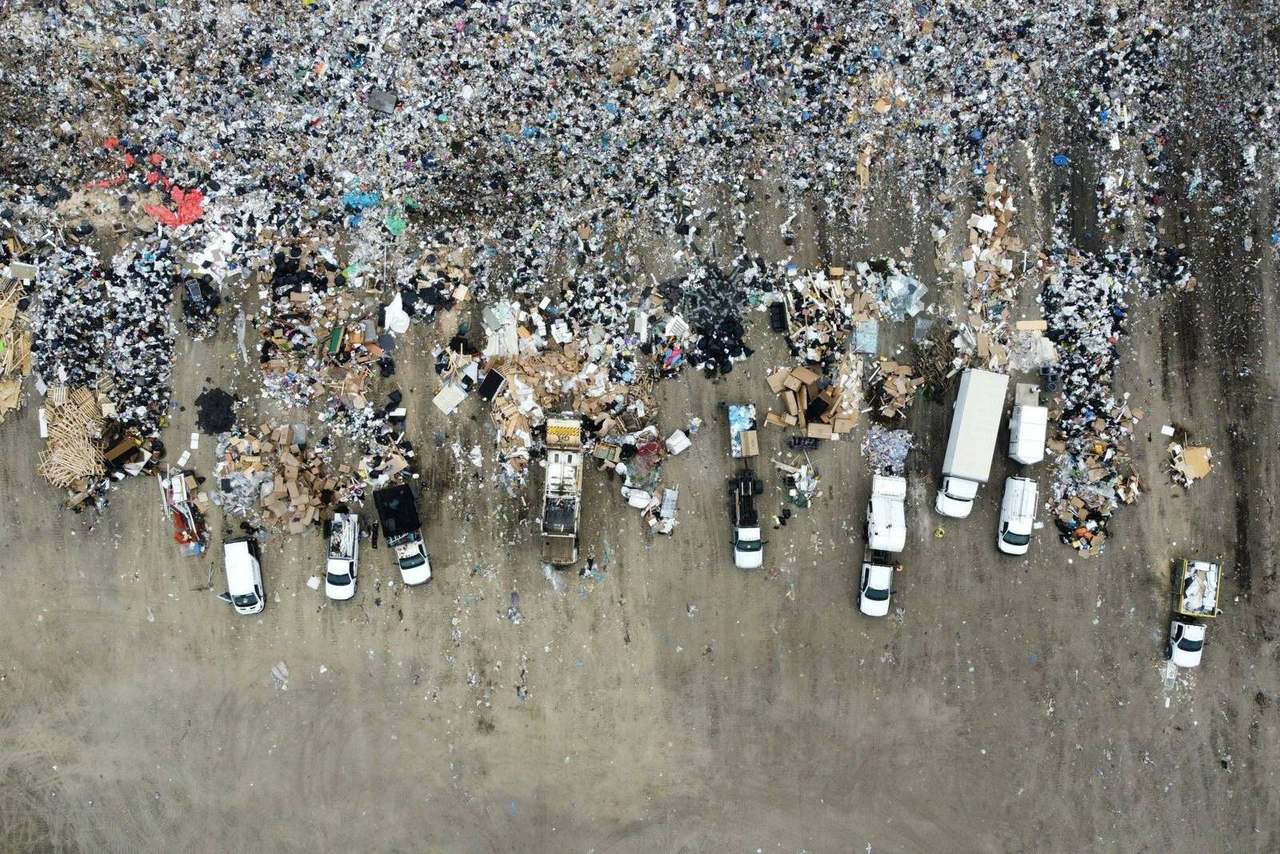
A landfill site, seen from the air.
What this changes
Six things these numbers make plain about Canadian food:
-
Canada does not have a production problem. Canada has 189,874 farms. Statistics Canada, Census of Agriculture 2021.
-
Second Harvest estimates that a large share of the food produced in Canada is lost or wasted.
-
8.8 million tonnes of edible food is wasted in Canada every year. Second Harvest and Value Chain Management International, 2024.
-
An estimated 13% of the fruits and vegetables grown in Canada go unharvested or are discarded after harvest. Environment and Climate Change Canada.
-
24.0% of people in Canada lived in a food-insecure household in 2025, about 9.8 million people. PROOF, University of Toronto, 2026.
-
Food bank visits in March 2025 were 99.4% higher than in March 2019, nearly double. A third of food bank visits in March 2025 were by children. Food Banks Canada, HungerCount 2025.
Put together, they describe a country that grows more than enough food and wastes a large share of it, while many households cannot reliably afford to eat. That is a distribution problem, and it is solvable in the season the produce exists.